

Solutions
Industries
Real estate
Debt products
Insights
Resources
Company
Arrange a consultationStart an inquiry

Commercial debt, structured and sourced for the borrower.

Debt advisory and commercial financing, with lenders competing for your business. We structure the debt, take it to the right lenders across 2,588+ capital sources and act only for the borrower. From the first conversation to the close, and paid only when it closes.

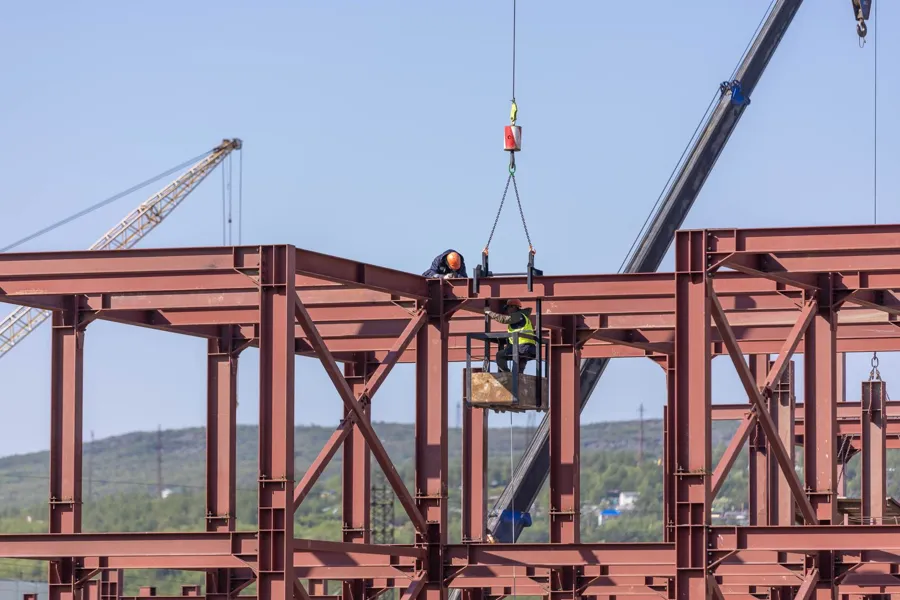
A red steel frame rising, with a crane lifting a beam
Debt solutionsThirteen ways to finance a commercial transaction.Explore the solutions
A modern apartment block from above
Real estateFinancing across every property type.Explore real estate
Our processSix steps, from the first conversation to funding.Our roleWe advise and arrange. Lenders underwrite, set terms and fund.Our network2,588+ capital sources, from banks to private credit.Our feeA success fee, earned only when your financing closes.
See the six-step process

Our network spans 2,588+ capital sources across six kinds of lender

When the financing decides the deal.

Most borrowers come to us mid-transaction, with a date that will not move. These are the three situations we see most.

Containers stacked in a port yard, from above
01

A closing date that will not move

The purchase agreement sets the timetable. The debt has to be sized, sourced and committed before that date, on terms the business plan can carry.

  • Property and business acquisitions
  • Partner buyouts
  • Portfolio purchases

Acquisition and bridge financing

A city skyline under heavy cloud
02

A maturity with no obvious refinance

The loan is due, rates have moved and the current lender is cautious. The right refinance depends on seeing more of the market than one relationship shows.

  • Maturities and rate resets
  • Cash-out and recapitalization
  • A lender pulling back

Refinancing and permanent debt

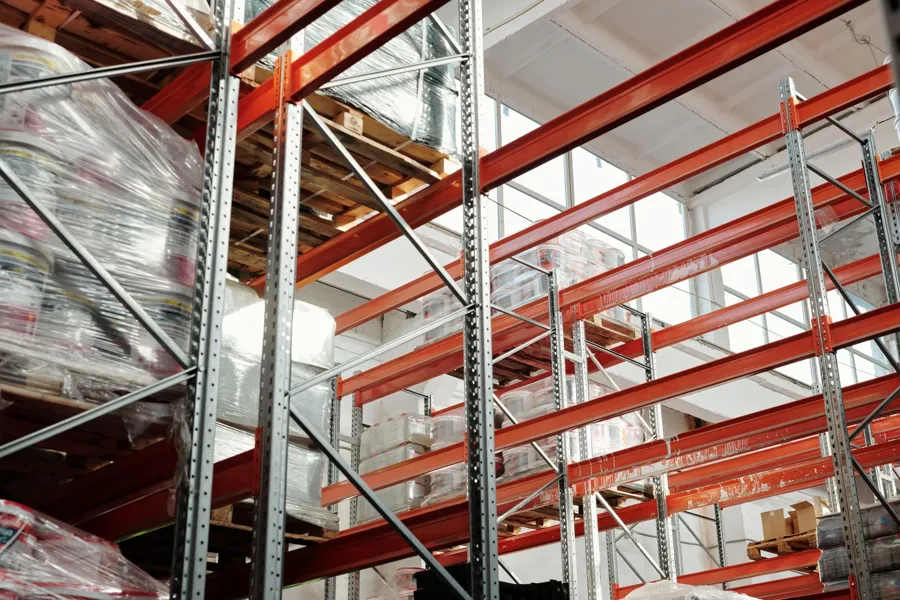
Warehouse racking stacked with goods
03

Growth the current line cannot fund

Receivables, inventory and new contracts are growing faster than a fixed line allows. The facility should grow with the business, not hold it back.

  • Seasonal peaks
  • Larger orders and contracts
  • A bank that has said no

Working capital and asset-based lending

Built for financings that matter too much for one lender.

A single lender shows you one view of the market. A borrower-side process shows you several, and puts them in competition for your financing.

An office facade lit at night

Our position.

Many intermediaries answer to lenders. We answer only to the borrower, and we are paid only when your financing closes.

Why borrower-side matters

Whose interest the advice serves

Your cost of capital, flexibility and certainty of close

Going to one lender: the lender’s book

Lenders who see the request

Several suitable lenders, in parallel

Going to one lender: one

How the terms are set

By competition, then negotiated

Going to one lender: by one credit committee

Where going to one lender falls short

  • No sight of what the market would offer
  • Weak points found late, in diligence
  • Leverage given up before you begin

What a borrower-side process gives you

  • A request sized to the tests lenders apply
  • Term sheets compared on more than the rate
  • One team carrying it to funding
A crane beside glass towers, looking up
Residential towers under construction
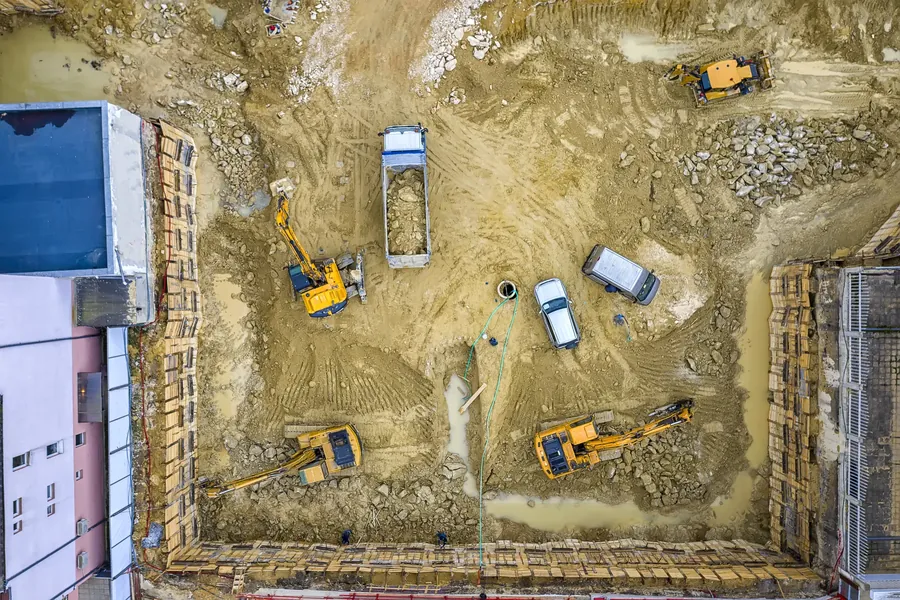
An excavated building site from above

Commercial debt, arranged by a team that works only for you.

Marlmont Capital is a debt advisory firm for commercial real estate and operating businesses. We size each request to the tests lenders apply, prepare it to a credit committee’s standard and put suitable lenders in competition for it.

We never represent a lender, and our fee is earned only when your financing closes. The team that structures your financing carries it through diligence to funding.

About Marlmont Capital
$353M+Financing arranged
2,588+Capital sources
217+Borrowers advised
45States served

Commercial real estate, operating businesses and the space between.

Thirteen debt solutions across three kinds of borrower, from senior debt to structured and specialty capital.

Cranes beside glass towers under construction

Investors, sponsors and developers

Commercial real estate

Acquisition, bridge, construction and permanent debt across every property type, and refinancing when the plan changes.

  • Acquisition and bridge financing

  • Construction and permanent debt
  • Refinancing and recapitalization
Two people walking a stocked warehouse aisle

Main Street to the middle market

Operating businesses

Facilities that fund the operating cycle and grow with it, from working capital to equipment.

  • Working capital and asset-based lending
  • Equipment financing
  • Factoring and invoice financing

Towers meeting the sky, looking up

When one loan will not do

Structured and specialty

Mezzanine and private credit, multi-layer structures, and financing for unusual collateral or specialist sectors.

  • Mezzanine and private credit
  • Structured debt
  • Specialty debt

No cost and no credit check to start

One team from the first call to funding

Lenders underwrite, set terms and fund

An example of how a competitive process narrows to a close.

One illustrative acquisition financing, drawn to scale. Each stage carries forward the lenders still competing for the deal.

Discover and structure

64

lenders active for the deal

100% of the lenders identified

We identify the lenders genuinely active for this asset, sector and size right now.

Source

22

lenders approached

34.4% of the lenders identified

Suitable lenders see the same well-framed request, in parallel.

Credit review

11

lenders in diligence

50% of the lenders approached

Lenders that want to proceed review the package and ask their questions.

Negotiate

5

term sheets received

45.5% of the lenders in diligence

We compare structure, covenants, recourse and certainty of close, not only the rate.

One financing closed on the strongest terms offered.

Illustrative only: not an actual transaction or outcome. Each bar shows the share carried forward from the stage before.

See the six-step process

Paid when your financing closes, not before.

A fee that does not depend on the outcome rewards activity. Ours depends on one thing: your financing closing on terms you accept.

The usual arrangement

“A retainer up front, and fees whether or not it closes.”

Paying for effort, with the risk of a failed process left with the borrower.

How we are paid

A success fee, earned only when your financing closes.

If the financing does not close, there is no fee. Our interest and yours point the same way.

  1. 01

    Terms agreed in writing

    Before anything goes to a lender, we agree the engagement in writing: the financing, the scope and how the fee is earned.

  2. 02

    Nothing up front

    No retainer and no upfront fee. There is no cost to talk, or to have a financing reviewed.

  3. 03

    Third-party costs paid directly

    Costs a lender requires, such as appraisals and reports, are paid to those providers directly.

Every financing we take on meets five tests

A genuine commercial need
A credible path to repayment
A size lenders will consider
A timetable lenders can meet
An appetite for real competition

What sets our work apart.

Lenders sell their own balance sheet, and many intermediaries pass a file along and wait. We do the work a credit team will do, then make suitable lenders compete for it.

A glass building beside a crane

2,588+capital sources

A deep lender network

Banks and credit unions, debt funds, specialty lenders, agency and life companies, SBA lenders and family offices, matched to the deal.

See how lenders work with us
New York towers seen from the street, with an American flag

Onlythe borrower’s side

We never represent a lender

Every judgment, from how much to borrow to which term sheet to take, is made for your cost of capital and certainty of close.

Read our standards
Dark glass towers, looking up

Beforea lender sees the file

Structured first

We size the request to the value and coverage tests and set leverage, reserves and covenants before anyone underwrites it.

See how we structure
Blue glass towers against a clear sky

Parallellenders, not one at a time

Real competition

Competition on price and terms is the strongest lever a borrower has, and it only works when it is real.

See the six-step process
A team at work in a warehouse aisle, from above

6steps, first call to funding

One team to the close

The people who structure your financing coordinate diligence and hold the terms through to funding.

See how we work
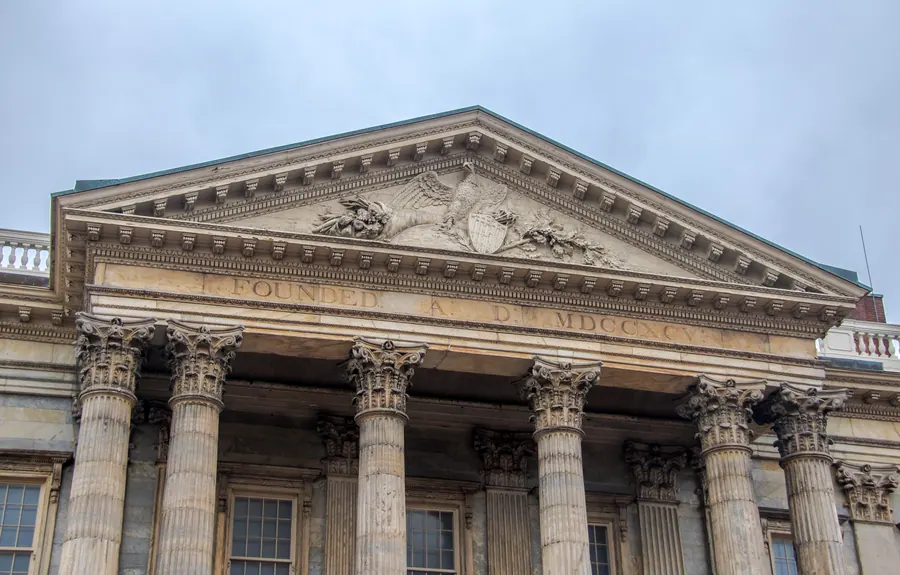
The columned portico of a bank building

0upfront fees

Paid on closing

A success fee, earned only when your financing closes. No retainer, and no cost to start.

See how we are paid

See what the market would offer for your financing.

No cost and no credit check to start, and an honest read on whether we can help.

How a financing comes together, case by case.

See all case studies
A white office facade with tall windows

Healthcare real estate · Illustrative

A medical practice buys the building it operates from.

The practice wanted to stop paying rent and fix its occupancy cost. The lender had to underwrite the practice and the property together, sized so the business could carry the debt comfortably.

Read the case
$3.48MAcquisition financing
75%Loan to value, approximately
OwnerFrom tenant to owner
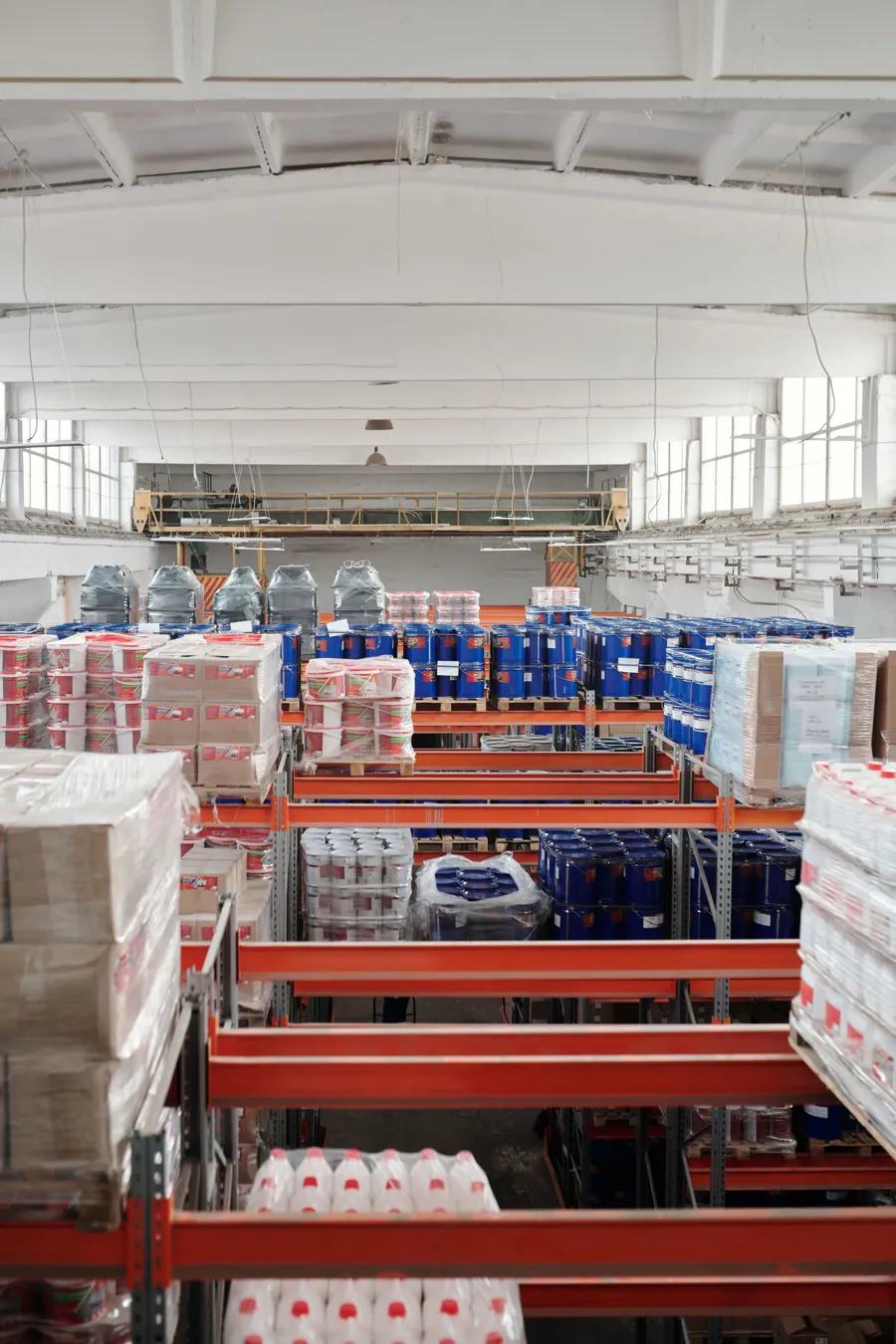
Inside a large warehouse

Industrial real estate · Illustrative

An acquisition held at its target leverage through real competition.

Banks and debt funds price the same asset differently. We ran them in parallel and compared structure and recourse as well as rate, so the buyer kept its leverage without overpaying for it.

Read the case
~$30MSenior acquisition debt
ParallelBanks and debt funds
HeldTarget leverage
A long warehouse aisle with stocked racking

Distribution · Illustrative

A revolving line that grows with receivables and inventory.

Growth kept outrunning a fixed operating line. A facility sized to the borrowing base, with reporting that fits how the business runs, gave it room to grow without new equity.

Read the case
~$7MBorrowing-base revolver
2Collateral pools: receivables and inventory
0New equity required

Illustrative scenarios: not actual transactions or outcomes. Sizes are approximate.

Financing across every property type.

Investor property, the building a business operates from, and projects still under construction. Each is underwritten differently, and we take it to the lenders that know it best.

A glass courtyard between office towers

Property types

8

covered on their own pages

From warehouses to hotels, each with the tests its lenders apply.

  • Industrial, multifamily and office
  • Retail, hospitality and mixed-use
  • Construction, development and owner-occupied

Debt solutions

13

from senior to structured

Matched to what the property and the plan need now, and next.

  • Acquisition, bridge and construction
  • Permanent financing and refinancing
  • Mezzanine and private credit

Investor property

Sized on income and value, with a take-out planned before any bridge or construction loan closes.

Owner-occupied

The business and the building underwritten together, often with more room than investor property.

Construction and development

A budget, a schedule and a path from the first draw to permanent debt.

We take on financings we can see through.

We are selective, because our fee depends on the close. If a financing is not a fit, we tell you on the first call, and why, before anything goes to a lender.

Where we are a fit

Where we are not

Commercial real estate and operating businesses

Consumer or residential mortgages

Main Street financings through the middle market

Businesses that need equity, not debt

A date that matters: a closing, a maturity, a construction start

Anyone looking for a guaranteed rate or approval

Complex, time-sensitive or previously declined financings

Situations with no credible path to repayment

Borrowers who want real competition among lenders

Financings below the size lenders will consider

Owners ready to share the numbers lenders need

Anything we cannot lawfully arrange where you are

How a financing comes together.

Six steps take every financing from the first conversation to funding. The timetable follows the transaction.

See our process
  1. Discover

    Understand the financing

    We learn the transaction as a lender will: the goal, the timetable, the asset or business, cash flow and collateral.

    What you receiveAn honest early read on whether and how we can help.

  2. Structure

    Design the capital path

    We size the request to the value and coverage tests and set leverage, amortization, reserves and covenants to fit the plan.

    What you receiveA structure the transaction can carry, and the reasoning behind it.

  3. Position

    Prepare it for credit

    We build the financing package so a lender can underwrite quickly: use of proceeds, collateral and the repayment case.

    What you receiveA lender-ready package, strengths clear and weaknesses addressed.

  4. Source

    Create real competition

    We approach the lenders genuinely active for this asset, sector and structure, in parallel across our network.

    What you receiveSeveral suitable lenders looking at the same request.

  5. Negotiate

    Compare and improve terms

    We compare term sheets on more than the rate: structure, covenants, recourse, prepayment and certainty of close.

    What you receiveA clear recommendation, made for you.

  6. Close

    Through diligence to funding

    We coordinate diligence and documentation, keep the timetable moving and hold the agreed terms to funding.

    What you receiveA financing that closes, and an advisor for the next one.

Questions borrowers ask first.

If yours is not here, ask it in a first conversation. No cost and no credit check to start.

Speak with an advisor

No. We advise and arrange; lenders underwrite, set terms and fund. Our role is to put your request in front of the lenders most likely to compete for it, on the strongest terms the transaction supports.

A success fee, earned only when your financing closes. There is no retainer and no upfront fee. Costs a lender requires, such as appraisals and third-party reports, are paid to those providers directly.

Not to start. The first conversation is about the transaction: what you are financing, how much and by when.

Your bank shows you one view of the market. A competitive process shows you several, and that is usually where pricing and terms improve. Your bank is welcome in the process.

Often, yes. We look at why, reframe what can be reframed and take it to lenders built for that situation. If it cannot be financed, we tell you plainly.

It depends on the financing and the lenders involved. A working-capital line can move quickly; a construction loan with third-party reports takes longer. We give you a realistic timetable at the start and manage to it.

Tools and guides for borrowers.

Stepped gold towers under a cloudy sky

Guide

How senior debt, mezzanine and equity fit together

The capital stack, layer by layer, and when to combine them.

Read the capital stack guide
A container port at work

Reference

The words lenders use, explained

From amortization to yield maintenance, in plain English.

See the glossary
A server hall behind a glass wall

Questions

What borrowers ask before the first call

How a debt advisor works, what it costs and what to have ready.

Read the borrower FAQ

Tell us what you are financing.

Marlmont Capital advises borrowers on commercial debt, and only borrowers. Before anything goes to a lender, we learn the transaction, define the capital it needs and choose the debt route that fits.

Share the transaction and the date it has to close. An advisor reviews every inquiry and comes back to you with an honest read.

Your first conversation

Send a few details and an advisor will arrange a call of about 30 minutes. No cost and no credit pull to start.

Reviewed by an advisorNo upfront obligationNo credit pull to start