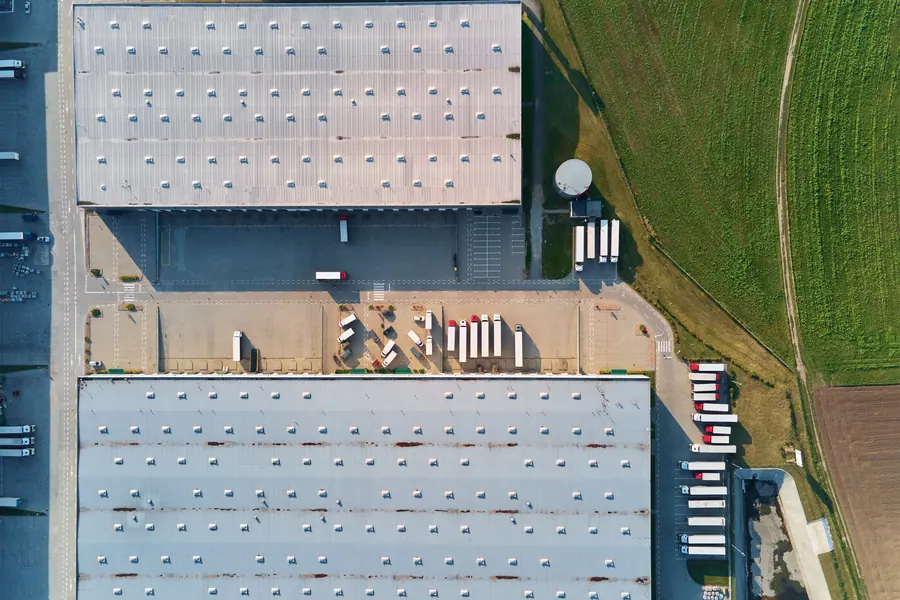
Industrial property
The building-first view: how warehouse and distribution loans are sized and structured.
Explore industrial propertyWarehouses, distribution hubs and cold storage keep goods moving, and lenders compete for well-located buildings let to dependable tenants. We size the loan around the building and the leases inside it, and bring in the lenders most active in the sector, whether you are buying, building or holding for the long term.
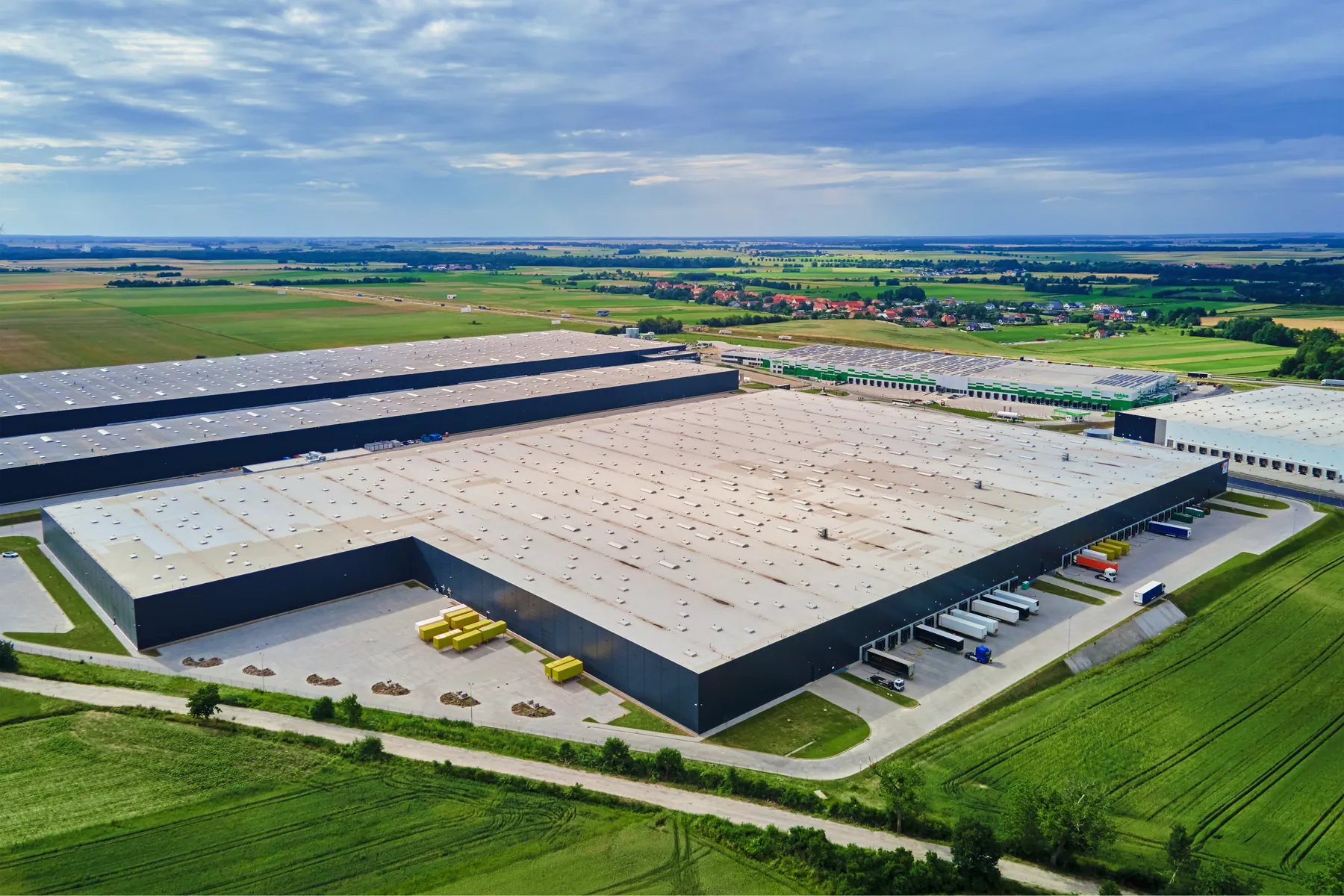
Industrial and logistics property is the physical side of every supply chain: large distribution centers near highways and ports, smaller last-mile sites close to customers, flex and light industrial space, and temperature-controlled cold storage. Steady demand from retailers, manufacturers and third-party logistics operators has made it one of the sectors lenders most want to finance.
Appetite is not the same as easy terms. A lender reads the building as a working machine: its clear height, loading doors, truck court and power, how close it sits to the roads and customers it serves, and above all who pays the rent and for how long. The loan then follows the stage the asset has reached: construction or bridge debt for a building planned before it has tenants or one being upgraded, acquisition debt for a building already in use, permanent debt once it is let and stable.
We work for the owner, not the lender. We set out the building and its leases clearly, work out how much debt the value and the income will bear and approach the lenders active in industrial now, so the loan fits the building with room to spare when a lease comes up for renewal.
Most industrial financings start from one of four points.
A let warehouse or distribution center, financed on a timetable a seller will accept.
A new facility or an expansion, funded in stages as construction progresses.
Raising clear height, adding doors or refitting space, with short-term debt that carries the building until new leases are signed.
Replacing construction or bridge debt with a longer loan once the building is let and its income is steady.
In industrial, the strength of the tenant and the length of the lease shape the loan as much as the building does. We present both clearly and take them to lenders who finance logistics property week in, week out.
If most of the first column sounds like your situation, a conversation is worth having.
You own, or are buying, an industrial building that suits today’s users in a location they want.
The building no longer suits modern users and there is no realistic plan to change that.
The building earns rent now, or has a realistic plan to lease up and stabilize.
You need an equity or joint-venture partner rather than a loan.
You want the loan sized to this building and these leases, not to a lender’s standard product.
Demand in the location is weak and the price paid gives no cushion against it.
You would like several lenders active in industrial to see the request at the same time.
You need terms fixed before any lender has seen the leases and the building.
Each credit committee keeps its own list. These five come up on almost every industrial loan.

How close the building sits to highways, ports, rail and the customers it serves, and whether its clear height, loading doors, truck court, power and depth suit today’s users.
Who pays the rent, how strong their credit is, how many years remain on the lease and how much of the income could leave during the loan’s term.
Whether current rents sit below, at or above what the space would let for today, and what that means when leases renew.
How the loan compares with the cost of the asset (loan to cost, LTC), its appraised value (loan to value, LTV) and what it would cost to build again.
Your record with industrial property and how convincing any lease-up or capital work plan is.
Four structures cover most industrial financings. Which one fits depends on where the building is in its life: being built, being repositioned, being bought or being held.
Nothing here needs to be ready before we speak. The more of it you have early, the sooner a lender can get to work. Some items will not apply to your building.
0of 8 in hand
Select what you already have. You can start with none of it.
Nothing you select here is sent or stored.
Enter the building’s net operating income (NOI), a cap rate and a lender’s limits. The model works out the loan by value and by coverage and shows which of the two sets the amount.
Debt capacity
–
Nothing you enter is stored or sent.
Owner‑operatorA regional food distributor has leased its cold-storage building for years and is offered the chance to buy it.
We present the business and the building together, and compare owner-occupied loans, including government-backed programs, with conventional ones.
The distributor approaches lenders that finance owner-occupied cold storage, with a payment in mind that the business can comfortably carry.
Built for a tenantA developer has signed a long lease with a logistics operator for a facility that has not yet been built.
We frame the signed lease and the budget so construction lenders can see the long-term loan that will repay them from the start.
Construction lenders are asked to fund the build in draws, with permanent lenders sounded out early on the loan that will follow.
Flex portfolioAn investor owns five small-bay flex buildings with many short leases, and the loan across them matures next year.
We show how income has held up through tenant turnover, and test one portfolio loan against separate loans.
Lenders comfortable with multi-tenant flex price both shapes, so the owner can weigh proceeds against flexibility.
Illustrative situations only: not actual transactions or outcomes. Every financing remains subject to lender underwriting and approval.
Three stages, and the first costs you nothing.
What it is, where it is, who occupies it, what you need and by when. No cost and no credit pull to start.
An advisor reviews it from your side, works out what the building and its leases can support and tells you plainly what looks achievable.
We prepare the package, run a competitive process among lenders active in industrial and negotiate through to the close.
The building-first view: how warehouse and distribution loans are sized and structured.
Explore industrial property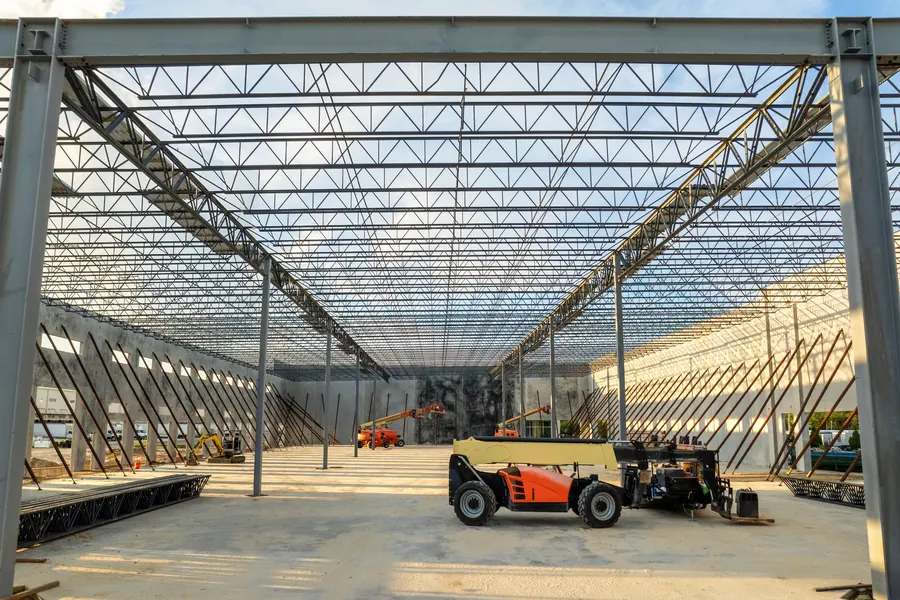
Funding released in stages to build a new facility or add space.
Explore construction debt
If yours isn’t here, ask us directly. A first conversation costs nothing.
Speak with an advisorDistribution and fulfillment centers, last-mile and infill sites, flex and small-bay buildings, light manufacturing space and cold storage. We arrange debt to buy them, build them, reposition them and refinance them. Which structure fits turns on the building’s stage and on who occupies it.
Lenders typically run two tests and lend the lower result: a loan to value limit, often in the range of 60% to 70% for a stable, well-let building, and a minimum debt service coverage ratio, commonly around 1.25x. The building, the tenant and the lender all move those figures, and only underwriting makes them firm. The model on this page shows how the two tests interact.
A great deal. A long lease to a tenant with strong credit makes the income more dependable, and lenders usually respond with more proceeds or better terms. Short leases, weaker tenants or an empty building are underwritten more cautiously, with lower leverage or more structure around the loan.
Often, yes, through a construction or bridge loan sized to the budget and the business plan. Lenders will want a credible leasing plan, an owner with relevant experience and a clear route to a permanent loan once tenants are in. What is achievable depends on the market and on each lender’s appetite.
Your bank shows you one view of the market. A competitive process shows you several, and that is usually where terms improve. Your bank is welcome in the process, and its offer is compared on the same basis as the rest.
No. We advise and arrange; lenders underwrite, set terms and fund. We structure the request, take it to suitable lenders across 2,588+ capital sources and negotiate on your behalf.
A success fee, earned only when your financing closes. No retainer and no upfront fee. Costs a lender requires (appraisals, reports, legal) are paid to those providers directly.
Each industrial financing goes to lenders chosen for that building and that structure, from banks and credit unions to life companies, debt funds and private credit.
Marlmont Capital advises borrowers on commercial debt, and only borrowers. Before anything goes to a lender, we learn the transaction, define the capital it needs and choose the debt route that fits.
Send a few details and an advisor will arrange a call of about 30 minutes. No cost and no credit pull to start.
Marlmont Capital is a debt advisory firm. It advises borrowers and arranges financing from third-party lenders; it is not a lender and does not offer securities or investment, tax or legal advice. Financing is subject to lender underwriting, diligence and approval, and terms are set by the lender. Figures and examples on this page are illustrative and are not a quote, offer or commitment.