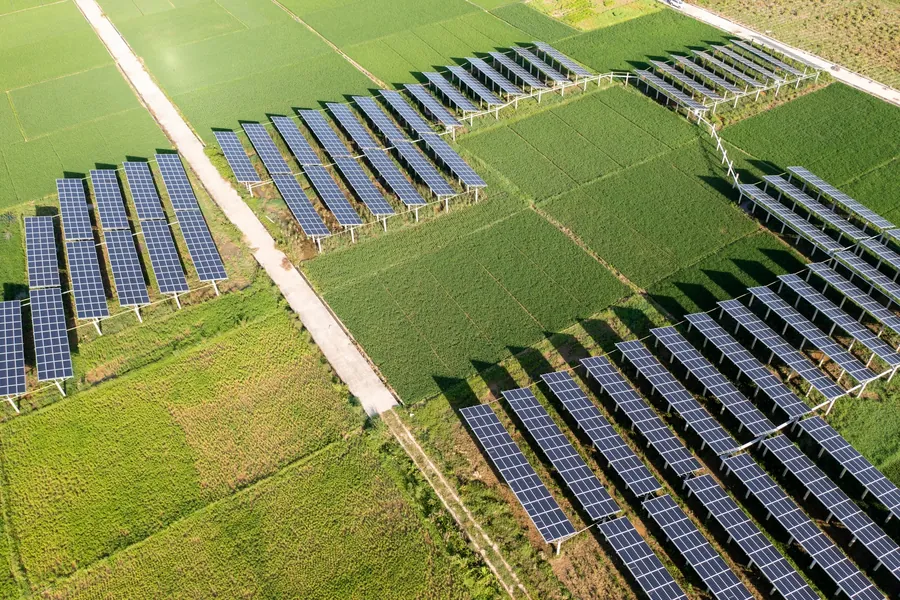
Infrastructure
Roads, ports, water systems and networks are built to serve for decades, and their debt should be shaped to match. We frame the contracts and cash flows behind the asset, structure financing to fit its life and bring it to the lenders who finance essential assets.

Essential assets, financed on the strength of their contracts.
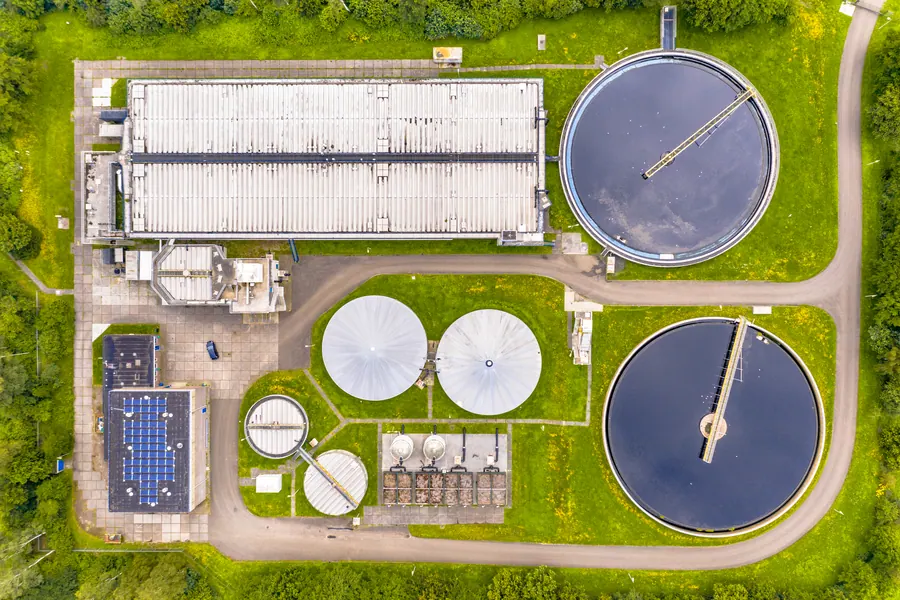
Infrastructure covers the assets a region cannot do without: toll roads and rail links, ports and terminals, water and wastewater systems, power and fiber networks, and public buildings such as schools and courthouses delivered under long-term agreements. What they share is revenue that is contracted, regulated or paid for availability, often for decades.
Lenders finance these assets at the level of the project, not the owner’s wider balance sheet. So the questions are about the asset itself: how long its contracts run, who pays under them, what could interrupt construction or operations and how comfortably the cash flow meets the loan payments. The answers set the size of the loan, its tenor and the reserves and covenants around it.
Acting for the developer or owner, we put the contracts and the cash-flow case into the form a project-finance credit team expects, then take the request to banks, life companies, infrastructure debt funds and private credit, drawing on 2,588+ capital sources.
Where infrastructure owners bring us in.
Four moments account for most of the conversations.
Funding the build
A new asset or a major expansion, financed through construction and converted to long-term debt once it is operating.
Refinancing an operating asset
A completed asset with a record of performance, moved off construction or short-term debt onto terms that suit its remaining life.
Borrowing against contracted revenue
Long-dated availability payments, concession income or regulated tariffs used to raise debt for the owner.
Shaping the capital stack
Senior debt, a subordinate layer and the reserve accounts arranged around the particular risks of the project.
On an infrastructure loan, the contracts carry the weight.
The loan is repaid from what the asset earns. We set out the concession, offtake or availability terms the way a credit team reads them, then take the request to lenders who finance projects on that basis.
Is infrastructure debt the right route for this asset?
If most of the first column describes your asset, a conversation is worth having.
Often a fit when
May not be the right path if
The asset earns contracted, regulated or availability-based revenue, or will once it is built.
The revenue depends entirely on market prices, with no contract or regulation underneath it.
You can show who pays under those contracts, and the concession, regulation or permits behind them.
The asset is small or short-lived, and an ordinary business loan would serve it better.
You want debt sized to that revenue and repaid over a term that matches the asset’s life.
What the project needs is an equity investor or a co-developer, not a loan.
You want lenders who specialize in project finance competing for it, not one bank’s view.
The permits or concession rights the asset depends on are still in doubt.
What a project lender tests first.
Credit teams differ, but on an infrastructure financing these five questions decide the answer.
How long the concession, offtake or availability agreements run, how payments are calculated and what could reduce or end them.
The credit standing of the public authority, utility or company making the payments, since the loan is only as sound as that promise.
Whether the asset can be delivered on budget and on schedule, how proven its design is and the operator’s record with similar assets.
How comfortably cash flow meets the loan payments in every year of the term, measured as the debt service coverage ratio (DSCR): cash flow divided by the year’s debt payments. Reserve accounts sit behind it.
The regulatory regime, the concession terms, environmental approvals and the permits the asset needs to build and operate.
How infrastructure debt is usually put together.
Most financings use one of four structures, or a combination. Which fits depends on whether the asset is still to be built, how long its contracts run and how much senior debt the cash flow will carry.
- 01Project finance, construction to termDebt repaid from the project’s own revenue, with limited or no recourse to the sponsor, that funds the build and then converts to a long-term loan.
- 02Asset‑level term loanLong-dated debt secured on a running asset, sized to its coverage and protected by reserves and covenants.
- 03RefinancingOnce performance is proven, the costlier construction or bridge loan is replaced with long-term capital.
- 04Subordinate layerA mezzanine or holding-company loan behind the senior debt, for when the senior lender stops short of what the project needs.
The documents a project lender will ask for.
None of this has to be complete before we speak. These are the papers lenders work from, and gathering most of them early keeps every later stage moving. Not all of them apply to every project.
0of 8 in hand
Select what you already have. You can start with none of it.
Nothing you select here is sent or stored.
Test what the cash flow could carry.
Enter the asset’s annual net operating income (NOI), a capitalization rate and the tests a lender applies. The model sizes the loan by value and by coverage and shows which one sets the amount. For contracted assets, coverage usually does.
Debt capacity
–
- Implied value (NOI ÷ cap rate)
- –
- Loan by value
- –
- Loan by coverage
- –
- Sized loan
- –
- Test that sets the loan
- –
- Annual debt service
- –
Nothing you enter is stored or sent.
Three infrastructure situations, and where a process helps.
Situation
How an advisor‑led process helps
Illustrative path
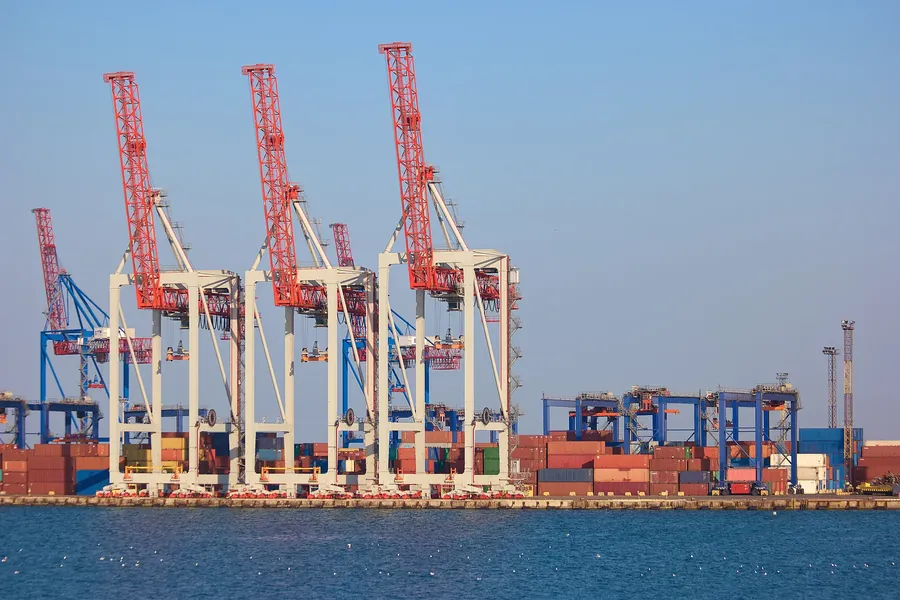
Port terminalThe operator of a container terminal holds a long concession from the port authority and wants to fund new cranes and a quay extension.
We present the concession terms, the volume history and the shipping lines’ contracts, and size the debt to the coverage the terminal can sustain.
Lenders that finance ports are asked for a term loan with a capital works facility alongside, its tenor set inside the concession’s remaining life.
Water utilityA regulated water company needs to replace an aging treatment plant and finance it alongside the debt it already has.
We set out the regulatory framework and the approved rate base, and structure new debt that sits cleanly with the existing lenders.
A small group of utility and infrastructure lenders is approached for long-dated debt, with the terms between lenders agreed early.
Public buildingA developer has won a contract to build and maintain a county courthouse, paid through availability payments once it opens.
We assemble a project-finance request covering construction, the handover to operations and the payment mechanism.
Lenders active in public-private partnerships receive a full package, with completion protections built in from the first draw.
Illustrative situations only: not actual transactions or outcomes. Every financing remains subject to lender underwriting and approval.
From first call to financial close.
Three stages, and the first costs you nothing.
- 01
Tell us about the asset
What it is, where it stands, the contracts behind it and the capital you need. No cost and no credit pull to start.
- 02
An honest assessment
An advisor reviews it from your side, tests what the cash flow can support and tells you plainly what we think is achievable.
- 03
To lenders, and on to closing
We prepare the package, run a competitive process among capital sources that finance infrastructure and negotiate through to the close.
Sectors and solutions close to this one.
Structured debt solutions
Several layers and lenders coordinated when one loan will not do the job.
Explore structured debt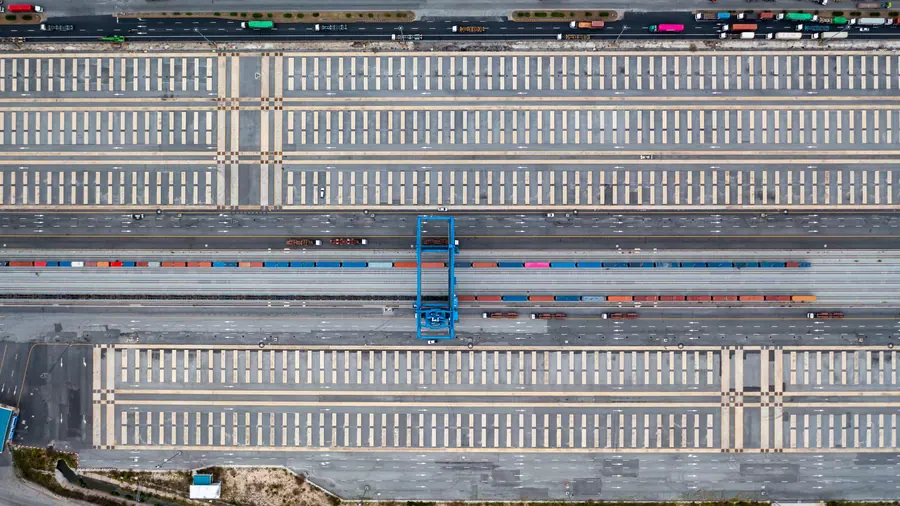
Specialty debt solutions
Financing for unusual collateral and situations outside standard criteria.
Explore specialty debtQuestions owners ask about infrastructure financing.
If yours isn’t here, ask us directly. A first conversation costs nothing.
Speak with an advisorTransport, utilities, digital networks and social infrastructure, wherever revenue is contracted, regulated or paid for availability. Each structure is built around the asset in question and the agreements that pay for it.
Mainly on how certain the cash flow is: the length and strength of the revenue contracts, the credit of whoever pays under them and the coverage those payments give the loan. The lending usually rests on the project or the asset itself, not the sponsor’s wider balance sheet.
A loan repaid mainly from one project’s own revenue, typically with limited or no recourse to the sponsor. Because the project is the lender’s main protection, the documents include reserve accounts, covenants and controls on how cash moves. It is used for assets under construction and for those already operating.
Often, yes, through a facility that funds the build and converts to a term loan once the asset is operating, with protections around completion. What is achievable depends on the contracts, the construction arrangements and lenders’ appetite at the time.
It varies with how secure the revenue is. Assets with availability payments or regulated revenue are often sized to a minimum coverage somewhere around 1.20x to 1.35x, and assets exposed to traffic or prices to higher multiples. The figure for any project is set in underwriting. The model on this page shows how coverage limits the loan.
No. We advise and arrange; lenders underwrite, set terms and fund. We structure the request, take it to the banks, life companies, infrastructure debt funds and private credit lenders suited to it and negotiate on your behalf. Every offer is the lender’s own and depends on its underwriting and approval.
A success fee, earned only when your financing closes. No retainer and no upfront fee. Costs a lender requires (appraisals, reports, legal) are paid to those providers directly.
A network built around the borrower.
Every infrastructure financing goes to lenders chosen for the asset and its contracts, from a network that spans banks, life companies, infrastructure debt funds and private credit.
$353M+Financing arranged
2,588+Capital sources in our network
217+Borrowers advised
45States served
Tell us about the asset.
Marlmont Capital advises borrowers on commercial debt, and only borrowers. Before anything goes to a lender, we learn the transaction, define the capital it needs and choose the debt route that fits.
Your first conversation
Send a few details and an advisor will arrange a call of about 30 minutes. No cost and no credit pull to start.
Marlmont Capital is a debt advisory firm. It advises borrowers and arranges financing from third-party lenders; it is not a lender and does not offer securities or investment, tax or legal advice. Financing is subject to lender underwriting, diligence and approval, and terms are set by the lender. Figures and examples on this page are illustrative and are not a quote, offer or commitment.