
Working capital
Liquidity for the operating cycle: seasonal swings, growth and larger orders.
Explore working capitalThe machines, vehicles and systems a business runs on can pay for themselves across their working life. We help you choose between a loan and a lease and bring in lenders who know your equipment, so your cash stays in the business.
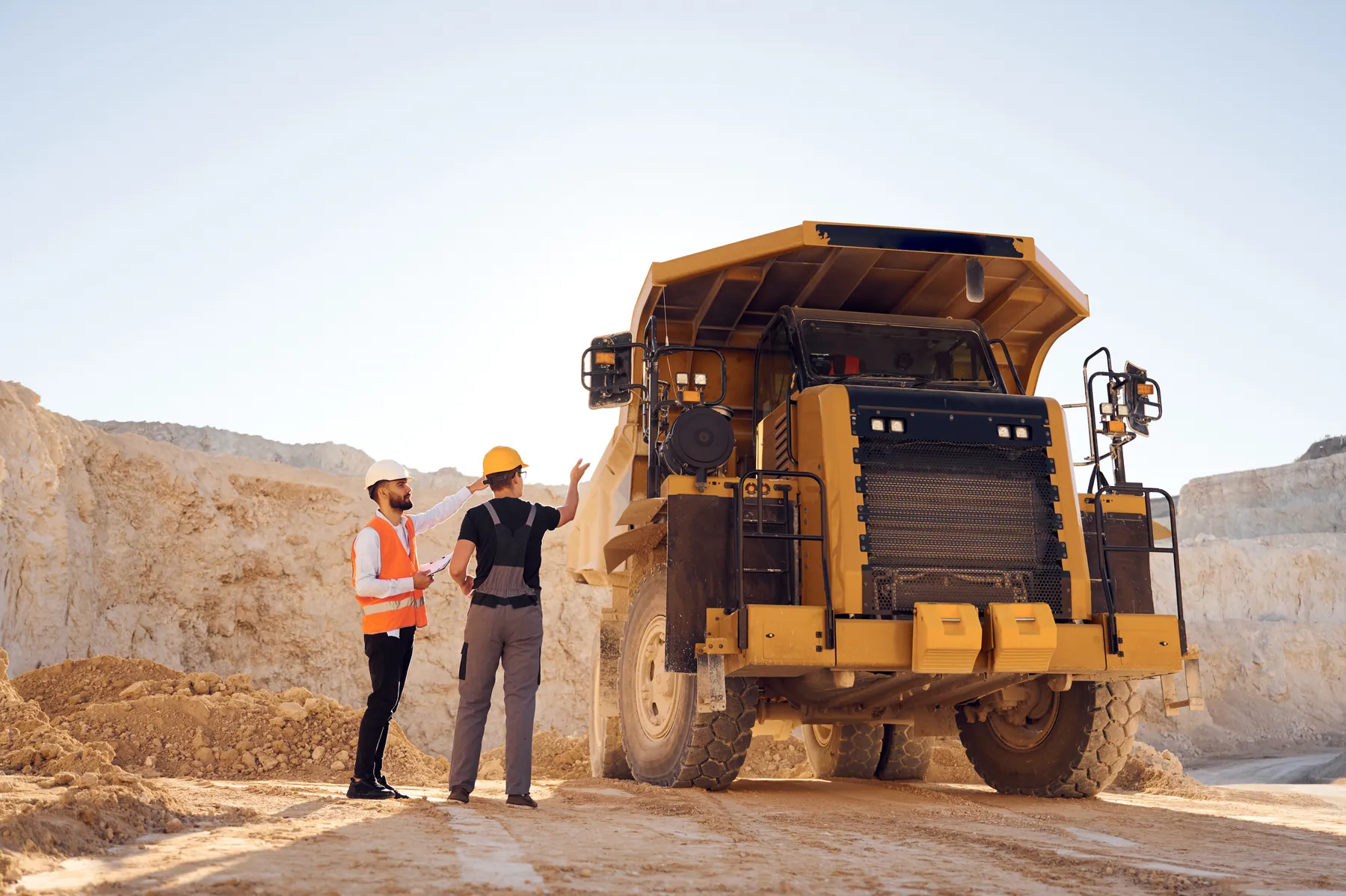
Equipment financing covers the purchase of the physical assets a business works with, from machine tools and trucks to servers and scanners, and the equipment normally secures the loan. Rather than paying the full price up front, the business spreads the cost across the years the equipment will be in use and keeps its cash for operations and growth.
Because the loan is secured on a specific asset with a resale value, it is often easier to arrange than unsecured credit. Lenders offer both loans and leases; which suits you turns on your tax position, your accounting and whether you want to own the equipment when the term is over. In both cases the payments are predictable and run alongside the equipment’s productive life.
We help you define what you need, weigh a loan against a lease and approach the lenders and lessors active in your type of equipment and your industry, so the payments line up with the way the equipment earns.
Four needs account for most requests.
Machinery or vehicles to start a line, take on new work or modernize the way the business operates.
Retiring worn or outdated equipment without draining the cash the business holds in reserve.
Financing rather than paying outright, so working capital stays available for payroll, stock and opportunities.
Spreading payments over the years the equipment earns, rather than paying for all of it on day one.
Spreading the cost of equipment over its working life leaves cash for running the business. We help you weigh a loan against a lease and approach the lenders active in your equipment.
If most of the first column describes your situation, a conversation is worth having.
A particular piece of equipment is needed to keep running, take on more work or retire something worn out.
The money is for day-to-day running costs rather than a particular asset.
You would rather keep cash in the business and pay over the equipment’s life.
The equipment is so specialized it has little resale value, and there is no other support.
The equipment holds its value and will be useful for longer than the term.
You need a revolving line you can draw and repay, not a term loan.
Fixed, predictable payments suit your cash flow.
The equipment is near the end of its working life, so there is little left to lend against.
Equipment lenders weigh the asset and the business together. Five points decide most requests.
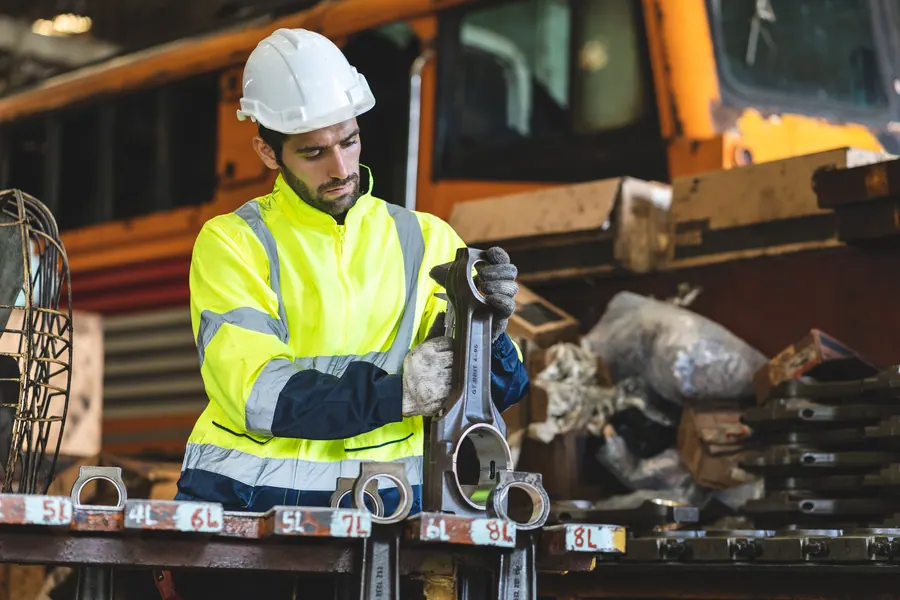
What the equipment is worth, what it would fetch if sold and how long it will stay productive.
Whether the business earns enough to make the payments comfortably.
The company’s credit, often the owner’s too, and how long the business has been operating.
The tax, accounting and ownership points that make one structure a better fit than the other.
A clear quote or invoice, the equipment’s specification and who is supplying it.
Four structures cover most equipment financing. Which suits you depends on whether you want to own the equipment, how long you will use it and how you account for it.
None of this is needed before we speak. These are the documents equipment lenders usually request, and having them ready shortens the process. Not every item applies.
0of 8 in hand
Select what you already have. You can start with none of it.
Nothing you select here is sent or stored.
Paying outright saves the interest but takes cash the business may need elsewhere. Enter the cost, the down payment, the term and an illustrative rate. The model returns the monthly payment, the total interest and the cash kept in the business from the first day.
Monthly payment
–
Nothing you enter is stored or sent.
New production lineA food packaging company has won a contract that needs a second production line within six months.
We weigh an equipment loan against a finance lease, matching the term to the line’s working life and the length of the contract.
Lenders that finance packaging equipment are asked to compete, with the aim of keeping the company’s cash for raw materials and hiring.
Fleet renewalA regional landscaping business needs to replace a dozen trucks and mowers that are becoming costly to keep running.
We compare loans and leases secured on the new vehicles, including staggered terms so replacements can be phased.
The renewal is presented as predictable monthly payments rather than one large cash outlay, subject to each lender’s credit review.
A younger companyA three-year-old precision machining shop needs a five-axis machine to keep up with demand, but has a short financial history.
We put the machine’s value and resale market at the center of the request, alongside the order book.
Lenders that lend mainly against the equipment are approached where its value supports the request.
Illustrative situations only: not actual transactions or outcomes. Every financing remains subject to lender underwriting and approval.
Three stages, and the first costs you nothing.
The equipment, the price, the supplier and when you need it in place. No cost and no credit pull to start.
An advisor reviews it from your side, weighs a loan against a lease and tells you plainly what we think is achievable.
We prepare the request, approach the lenders and lessors active in your equipment and negotiate through to the close.
Liquidity for the operating cycle: seasonal swings, growth and larger orders.
Explore working capital
A line sized to receivables and inventory, which grows with the business.
Explore asset-based lending
Financing for unusual collateral or a situation outside the usual lending criteria.
Explore specialty debtIf yours isn’t here, ask us directly. A first conversation costs nothing.
Speak with an advisorIt depends on your tax position, your accounting, whether you want to own the equipment and how many years it will stay in service. A loan builds ownership from the start; a lease can mean lower payments or an easier upgrade later. We set out the trade-offs for your situation.
Usually it is the main security, and that is one reason lenders find this kind of credit easier to extend than unsecured lending. Some lenders ask for additional support, such as a personal guaranty or a lien on other business assets, depending on the credit.
Often, because the equipment secures the loan. How long the company has traded, its cash flow and the owners’ credit still matter, and each lender weighs them differently.
Most kinds with a working life and a resale market: manufacturing machinery, construction and earth-moving equipment, vehicles and fleets, medical and laboratory equipment, technology and more. The resale value and expected life shape the structure.
Paying cash avoids interest but uses money the business may need for payroll, stock or the next opportunity. A loan or lease spreads the cost across the years of use and keeps that cash on hand, at the cost of interest. The calculator on this page sets one against the other.
Terms are usually set to the equipment’s working life, commonly between two and seven years, with fixed payments. The rate depends on the type of equipment, its resale value, the business’s credit and history and the lender’s appetite. We compare offers on their total cost, not the headline rate alone.
Under Section 179, and through bonus depreciation, a business may be able to deduct some or all of the cost of qualifying equipment, which may lower the after-tax cost of owning it. Whether that applies, and how much, depends on your own tax position. We do not give tax advice: confirm it with your accountant before relying on a deduction.
No, we do not provide it. We advise and arrange; lenders underwrite, set terms and fund. We shape the request and present it to the equipment lenders and lessors best suited to it. Our fee: a success fee, earned only when your financing closes. No retainer and no upfront fee. Costs a lender requires (appraisals, reports, legal) are paid to those providers directly.
Every request goes to lenders and lessors chosen for the equipment and the industry, from a network that spans banks, specialty and asset-based lenders, and SBA program lenders.
Marlmont Capital advises borrowers on commercial debt, and only borrowers. Before anything goes to a lender, we learn the transaction, define the capital it needs and choose the debt route that fits.
Send a few details and an advisor will arrange a call of about 30 minutes. No cost and no credit pull to start.
Marlmont Capital is a debt advisory firm. It advises borrowers and arranges financing from third-party lenders; it is not a lender and does not offer securities or investment, tax or legal advice. Financing is subject to lender underwriting, diligence and approval, and terms are set by the lender. Figures and examples on this page are illustrative and are not a quote, offer or commitment.