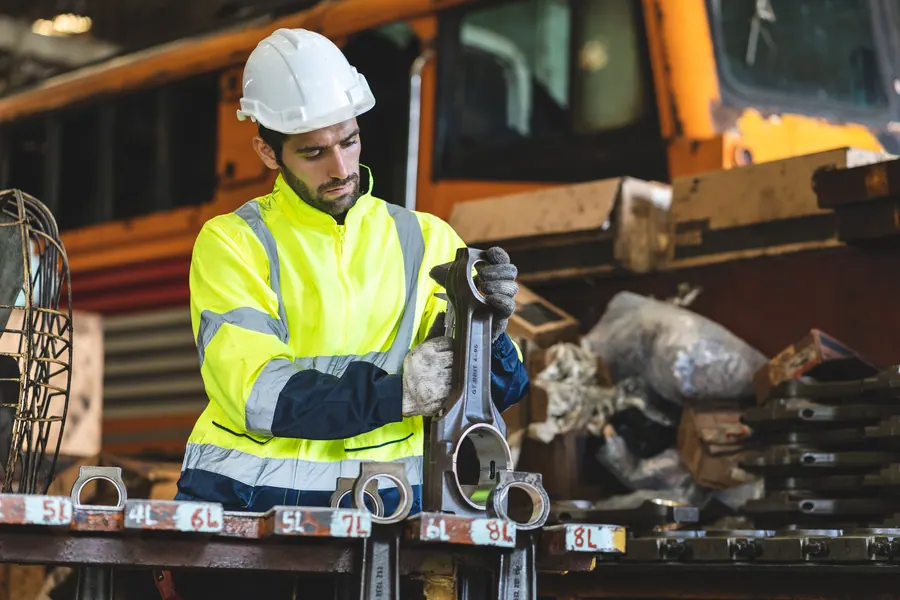
Equipment financing
Debt secured on machinery, so cash stays in the business.
Explore equipment financingA manufacturer grows through its plant, its machines and the cash held between buying materials and collecting on invoices. We structure debt across all three so the financing supports production rather than squeezing it, and take it to lenders at home with industrial credit.
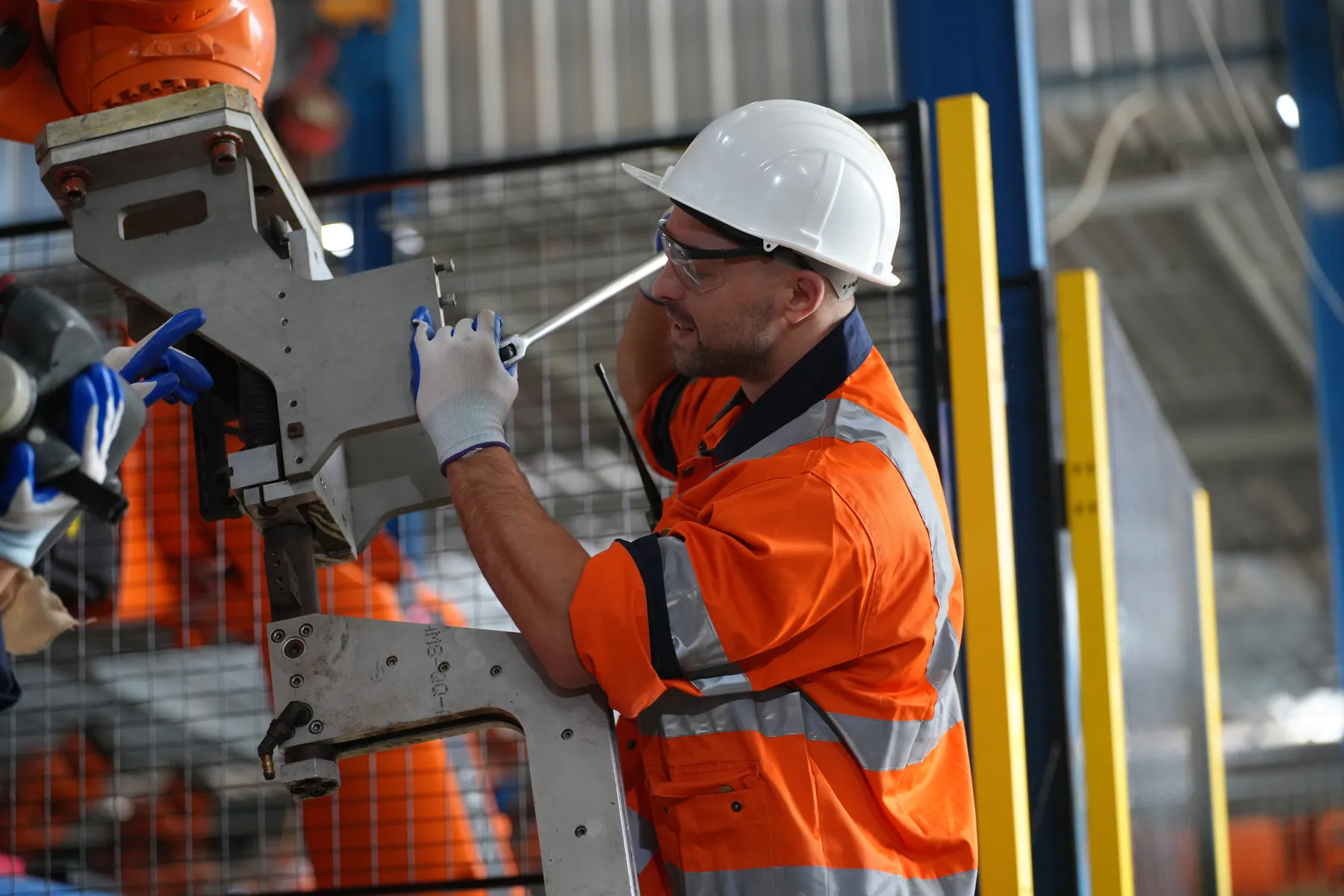
A manufacturer usually has three things to finance at once: the building it produces from, often owned by the business; the equipment on the floor; and the working capital held in raw materials, finished stock and money owed by customers. Each is a different kind of collateral, and each has lenders who specialize in it.
That is why one loan rarely fits. The strongest structure often combines a mortgage on the plant, equipment debt matched to the machines’ working life and a revolving line that rises and falls with receivables and inventory, or an acquisition loan when the plan is to buy a rival. Lenders weigh what the business owns and what it earns side by side, and look hard at how the business holds up through a downturn.
We size each piece so the combined payments stay comfortable, then take the request to banks, asset-based and equipment lenders, government-backed program lenders and private credit across 2,588+ capital sources.
Four needs come up most often.
Buying or refinancing the facility the business runs from, with conventional debt or a loan backed by the Small Business Administration (SBA).
New or upgraded machinery financed over its useful life, so the order book can grow without draining cash.
A line secured on receivables and inventory that carries the business between buying materials and being paid.
An acquisition funded with a mix of cash-flow and asset-based debt against the combined business.
We match each part of the business to the lenders best suited to it, and keep the combined payments within what the cash flow can carry as you grow.
If most of the first column describes your business, a conversation is worth having.
You run a manufacturing business with a plant, machinery or receivables that could support debt.
The business has no revenue yet, and no collateral or cash flow a lender could assess.
The need spans more than one thing: the building, the equipment and working capital together.
It is a single, small machine purchase the equipment maker’s own finance arm can handle.
The business has steady cash flow or solid collateral, ideally both.
You want an equity investor to fund the growth, not a loan.
You want one structure across several lenders rather than separate loans that pull against each other.
The business is losing money on what it makes, and borrowing would postpone rather than solve that.
Credit teams differ, but on a manufacturing financing five questions come up almost every time.
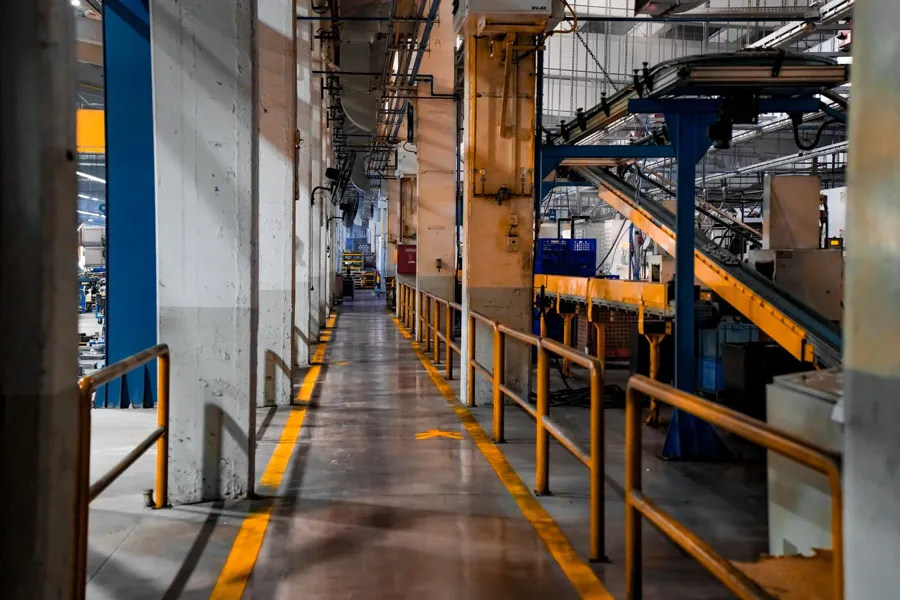
What the facility is worth and how easily it could be sold or leased to another occupier, since specialized buildings can be harder to value.
What the machines are, how old they are and what they would fetch if sold, which sets how much a lender will advance against them.
How collectible the invoices are and how saleable the stock is, which together set the borrowing base for a revolving line.
Whether operating cash flow meets all the loan payments with room to spare, measured as the debt service coverage ratio (DSCR): cash flow divided by a year’s debt payments.
How concentrated the customer list is, how cyclical the end markets are and how long management has run the business.
Most combine two or more of these facilities. The mix depends on what the business owns, how seasonal its cash is and whether the aim is to grow, refinance or buy.
Nothing here needs to be perfect before we speak. These are what lenders will ask for, and having most of them early makes every later step easier. Not all of them apply to every business.
0of 8 in hand
Select what you already have. You can start with none of it.
Nothing you select here is sent or stored.
Enter the annual income the plant or the business produces before debt payments, a capitalization rate and the tests a lender applies. The model sizes the loan by value and by coverage and shows which one sets it. Treat it as a first view, before equipment and working-capital lines are added.
Debt capacity
–
Nothing you enter is stored or sent.
Second plantA food packaging manufacturer has outgrown its plant and agreed to buy a larger building nearby, with a new production line to install.
We pair a real estate loan on the building with equipment financing for the line, timed so the old lease winds down as the new plant comes online.
Real estate and equipment lenders are approached in parallel, with the equipment draws matched to the installation schedule.
Seasonal swingA maker of outdoor furniture builds stock through the winter, is paid in late spring and runs out of room on its fixed bank line every February.
We work out what the winter stock and the spring invoices could support as a borrowing base, and prepare the monthly reporting asset-based lenders expect.
Asset-based lenders are asked for a revolving line whose availability rises with the winter build, subject to their advance rates and field examination.
Regional rivalA metal fabricator agrees to buy a smaller competitor serving a neighboring region.
We pair a term loan sized to the combined earnings with an asset-based line on the enlarged receivables and inventory, and equipment debt on the target’s machines.
A short list of lenders who know the sector receives one package covering the purchase and the working capital after it.
Illustrative situations only: not actual transactions or outcomes. Every financing remains subject to lender underwriting and approval.
Three stages, and the first costs you nothing.
What you make, what you need to finance, by when and the capital involved. No cost and no credit pull to start.
An advisor reviews it from your side, works out how much the assets and earnings can support and tells you plainly what we think is achievable.
We prepare the package, run a competitive process among suitable capital sources and negotiate through to the close.
Debt secured on machinery, so cash stays in the business.
Explore equipment financing
A line sized to receivables and inventory that grows with the business.
Explore asset-based lending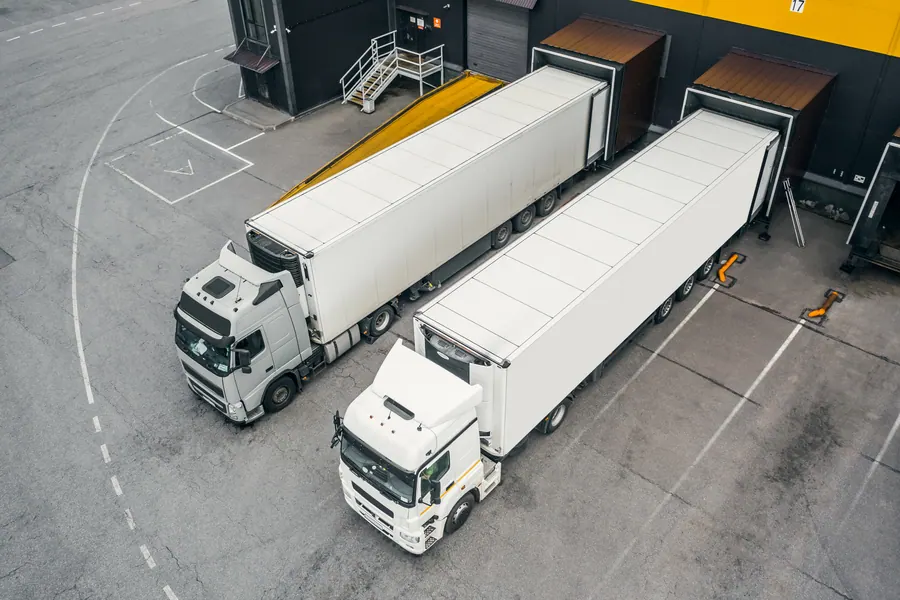
Liquidity for the operating cycle, from seasonal swings to larger orders.
Explore working capitalIf yours isn’t here, ask us directly. A first conversation costs nothing.
Speak with an advisorThe plant, often owned by the business itself; production equipment; and the working capital held in inventory and receivables, frequently combined into one structure. We also arrange financing for acquisitions within the sector.
Paying cash avoids interest but takes money out of the business that may be needed for materials, payroll or the next large order. Financing spreads the cost across the machine’s working life. We set out the trade-off, including a loan against a lease, and the equipment financing page has a model for comparing the two.
It is a revolving line with a limit that moves: the lender advances an agreed share of eligible receivables and inventory, known as the borrowing base. As sales and stock grow, so does the amount available. It suits manufacturers with substantial working capital and needs that swing with the seasons or with growth.
Asset-based lenders commonly advance between 75% and 90% of eligible receivables and a smaller share of inventory, depending on how readily it could be sold. The exact rates are set after the lender’s own field examination and appraisal.
Often, yes. The usual approach pairs a loan sized to the combined earnings with further debt secured on what the target owns: its buildings, machines and receivables. What lenders offer depends on the collateral, the cash flow of the combined business and their appetite for the sector.
No. We advise and arrange; lenders underwrite, set terms and fund. We structure the request, take it to the banks, asset-based and equipment lenders and private credit suited to it and negotiate on your behalf. Every offer is the lender’s own and depends on its underwriting and approval.
A success fee, earned only when your financing closes. No retainer and no upfront fee. Costs a lender requires (appraisals, reports, legal) are paid to those providers directly.
Every manufacturing financing goes to lenders chosen for the collateral and the sector, from a network that spans banks, credit unions, asset-based and equipment lenders, SBA program lenders and private credit.
Marlmont Capital advises borrowers on commercial debt, and only borrowers. Before anything goes to a lender, we learn the transaction, define the capital it needs and choose the debt route that fits.
Send a few details and an advisor will arrange a call of about 30 minutes. No cost and no credit pull to start.
Marlmont Capital is a debt advisory firm. It advises borrowers and arranges financing from third-party lenders; it is not a lender and does not offer securities or investment, tax or legal advice. Financing is subject to lender underwriting, diligence and approval, and terms are set by the lender. Figures and examples on this page are illustrative and are not a quote, offer or commitment.