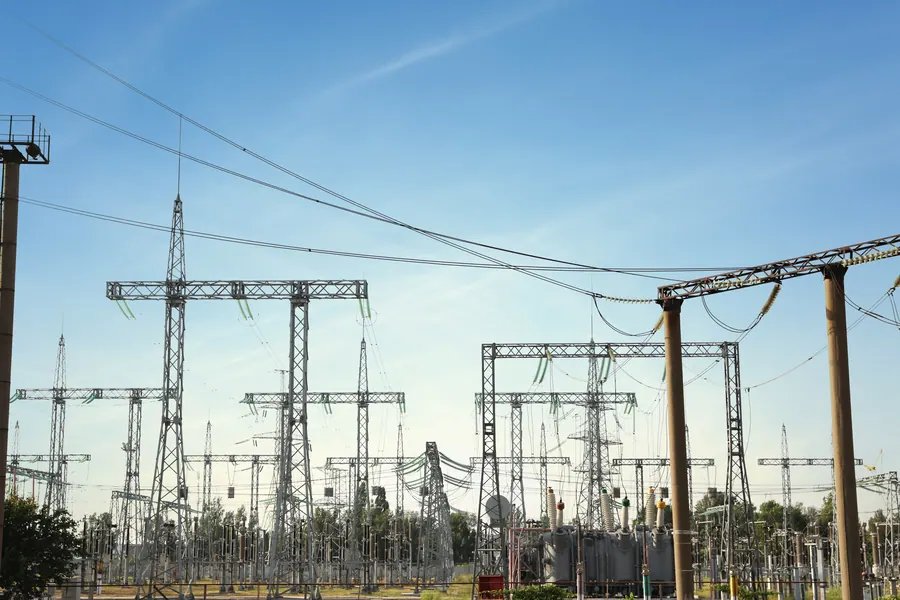
Infrastructure
Essential assets financed on long-term contracts and regulated revenue.
Explore infrastructureA data center can borrow only as much as its power supply and its leases will bear. We frame both, size the debt from the first draw through stabilization and put it in front of lenders and credit funds that finance digital infrastructure.

Data centers sit where real estate, infrastructure and technology meet, and few buildings cost more to deliver. Most of the money goes into power, cooling, backup systems and connectivity rather than the structure itself. Whether a project can be financed comes down to a short list: power secured at the site, a location that works for tenants and, above all, who has signed leases and for how long.
The financing follows the life of the asset. Construction debt pays for a powered shell or a fully fitted building; bridge debt carries the period while remaining capacity is leased; long-term or asset-level debt follows once strong tenants are in place. Hyperscale facilities, leased to one or a few very large tenants, are underwritten on those tenants’ credit and lease terms. Colocation facilities, with many smaller customers, are judged on the breadth and stability of the whole rent roll.
Working for the developer or owner, we document the power position, who the tenants are and how strong their leases are, keep the debt in line with how durable the income is and approach banks, infrastructure and real estate debt funds, life companies and private credit across 2,588+ capital sources.
Four stages of a project account for most first calls.
A powered shell or a fully fitted data center financed in draws as construction moves forward.
Bridge debt that carries the facility while the remaining halls or megawatts are leased.
Construction or bridge debt replaced with long-dated financing once tenants are in place.
Senior and subordinate debt structured around power delivery and leasing milestones.
Lenders will not look past those two. We set out the power position and the lease credit clearly, size the debt to income that will last and take it to lenders active in digital infrastructure.
If most of the first column describes your project, a conversation is worth having.
Power is secured at the site, or there is a clear and documented route to it.
There is no secured power and no realistic route to a grid connection.
Capacity is leased, or pre-leased, to tenants with strong credit.
The project is entirely speculative, with no leases and no tenant discussions under way.
You want debt sized to lease income that will last, from construction to stabilization.
What you need is an equity investor or a co-developer, not debt.
You want lenders active in digital infrastructure competing for the financing.
The site sits outside the markets where tenants and lenders are active, with no anchor in prospect.
Credit teams differ, but these five questions come first on almost every data center financing.
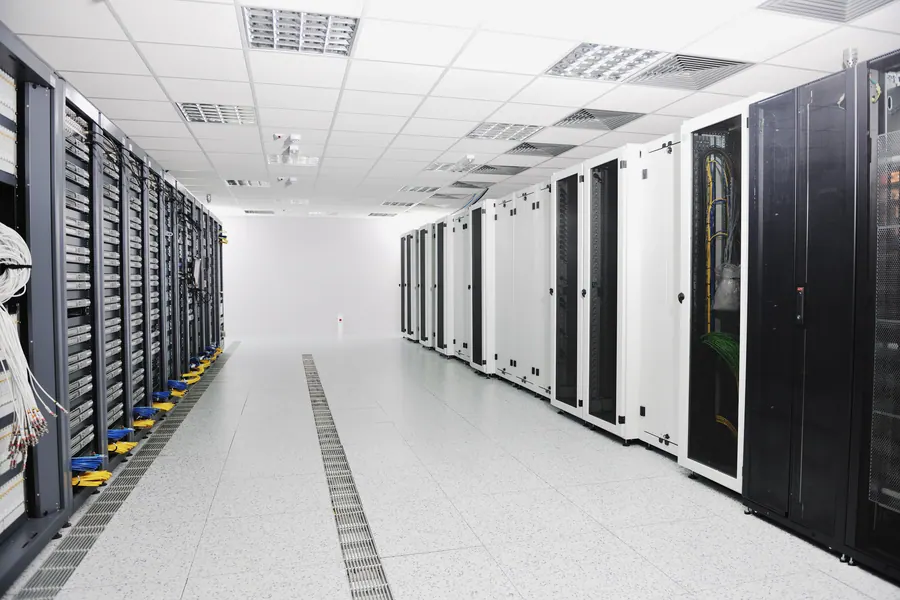
How much power is committed and when it arrives, the grid connection, cooling and whether the site works for tenants. Without this, nothing else moves.
The financial standing of the hyperscale or colocation tenants and how long their leases run.
How much of the capacity is already contracted, and the plan for leasing what remains.
For a development, the loan measured against total cost (loan to cost, LTC), the contingency and the path from completion to long-term debt.
The technical design, the level of redundancy and how credible the construction and operating plans are.
Four structures cover most of a facility’s life, and larger projects often use more than one at once. The right mix turns on how much capacity is leased and how far the build has progressed.
None of this has to be complete before we speak. These are the papers lenders work from, and gathering most of them early keeps every later stage moving. Not all of them apply to every project.
0of 8 in hand
Select what you already have. You can start with none of it.
Nothing you select here is sent or stored.
Enter the facility’s stabilized net operating income (NOI), a capitalization rate and the lender tests. The model sizes the loan by loan to value (LTV) and by debt service coverage (DSCR) and shows which one sets it. It describes a leased, stabilized facility, not one still being built.
Debt capacity
–
Nothing you enter is stored or sent.
Phased campusA developer controls a site where the utility will deliver power in phases, and one tenant has signed a letter of intent for the first building.
We present the power schedule, the tenant’s credit and the shell budget, and size construction debt to the first phase alone.
Construction lenders are approached for a phased facility, with later buildings financed as further power and leases are confirmed.
Regional colocationAn operator runs three small colocation sites in regional cities and wants to add cooling for customers with denser equipment.
We set out the customer base, renewal history and upgrade budget across all three sites, and structure one facility for the portfolio.
Lenders that finance colocation are asked for a term loan with a separate tranche for the upgrade works.
Returning equityThe owner of a fully leased facility wants to return capital to its investors after several years of steady operation.
We present the remaining lease terms, the tenants’ credit and the operating record, and test how much long-dated debt the contracted income could support.
Asset-level lenders are asked for long-term debt, with any proceeds above the existing loan returned to investors, subject to the lenders’ sizing.
Illustrative situations only: not actual transactions or outcomes. Every financing remains subject to lender underwriting and approval.
Three stages, and the first costs you nothing.
Where it stands, the power and the leases behind it and the capital you need. No cost and no credit pull to start.
An advisor reviews it from your side, tests what the power position and leases can support and tells you plainly what we think is achievable.
We prepare the package, run a competitive process among capital sources that finance digital infrastructure and negotiate through to the close.
Essential assets financed on long-term contracts and regulated revenue.
Explore infrastructure
Funding drawn against the budget, with the take-out planned before the first draw.
Explore construction debt
Several layers and lenders coordinated around a capital-heavy project.
Explore structured debtIf yours isn’t here, ask us directly. A first conversation costs nothing.
Speak with an advisorThree things above all: power secured at a site that works, the credit of the tenants and the length of their leases. Contracted income from strong tenants can support substantial debt over a long term. Where power or leases are missing, a project is far harder to finance.
Yes. A hyperscale facility is typically leased to one or a few very large tenants on long terms, so lenders underwrite those tenants’ credit and the lease length. A colocation facility serves many smaller customers on shorter contracts, so lenders look at how diverse and how loyal the customer base is. Both depend on power.
Often, yes, through a construction loan matched to the budget, the power schedule and the leasing plan, with the long-term take-out mapped from the start. Pre-leasing and committed power make the request much stronger. What lenders offer depends on the plan and their appetite at the time.
Usually on two tests, and the lower result sets the loan: loan to value (LTV), and the debt service coverage ratio (DSCR), which compares the contracted net operating income with a year of loan payments. The model on this page shows the mechanics; the actual figures are set in the lender’s underwriting.
A building delivered with its structure, power supply and connection in place, but without the cooling, power distribution and other fit-out a tenant installs. Because the tenant carries much of the fit-out cost, a powered shell is usually a smaller and simpler financing than a fully fitted facility.
No. We advise and arrange; lenders underwrite, set terms and fund. We structure the request, take it to the banks, debt funds and private credit lenders suited to it and negotiate on your behalf. Every offer is the lender’s own and depends on its underwriting and approval.
A success fee, earned only when your financing closes. No retainer and no upfront fee. Costs a lender requires (appraisals, reports, legal) are paid to those providers directly.
Every data center financing goes to lenders chosen for the stage of the project and its tenancy, from a network that spans banks, infrastructure and real estate debt funds, life companies and private credit.
Marlmont Capital advises borrowers on commercial debt, and only borrowers. Before anything goes to a lender, we learn the transaction, define the capital it needs and choose the debt route that fits.
Send a few details and an advisor will arrange a call of about 30 minutes. No cost and no credit pull to start.
Marlmont Capital is a debt advisory firm. It advises borrowers and arranges financing from third-party lenders; it is not a lender and does not offer securities or investment, tax or legal advice. Financing is subject to lender underwriting, diligence and approval, and terms are set by the lender. Figures and examples on this page are illustrative and are not a quote, offer or commitment.