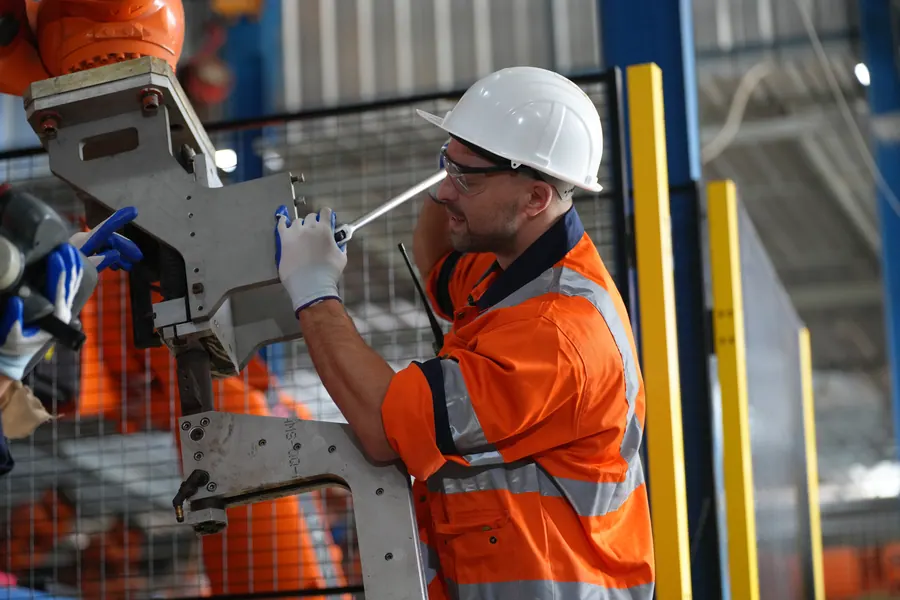
Owner‑occupied property
When your business owns the building it works from, a lender looks at the company and the property together. We present both, compare government-backed and conventional loans and find the lenders that understand owner-occupied credit, whether you are buying, refinancing, expanding or building.
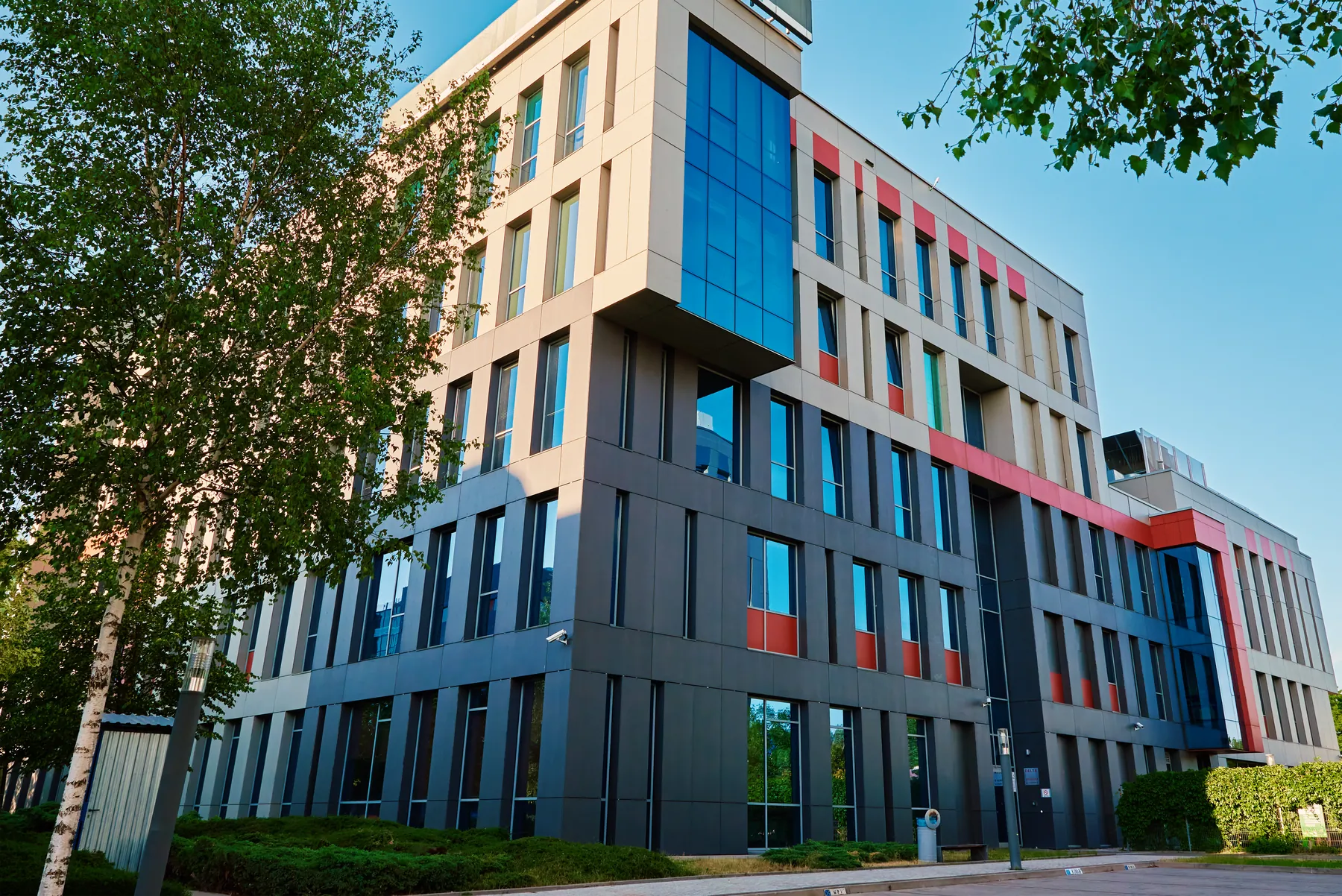
Owning the building you work from.
Owner-occupied property is financed differently from investment property. Here the occupant and the owner are the same company: a dental group in its own clinic, a manufacturer in its own plant, a distributor in its own warehouse, a professional firm in its own office. Because the owner is also the occupant, lenders weigh the company’s cash flow as heavily as the property, and loans backed by the U.S. Small Business Administration (SBA), through its 504 and 7(a) programs, sit alongside conventional owner-occupied loans.
Your goal shapes the structure. Buying the premises you already use can mean borrowing a larger share of the price, over a longer term, than an investor could for the same building, especially through the SBA programs built for owner-occupiers. A business refinancing can lower its payments or release equity to fund growth, and a growing company can fund an extension or a new facility. Lenders will ask what share of the space the company occupies, who will stand behind the loan personally and how the company has performed.
We act for the business owner. We present the company and the property side by side, compare SBA and conventional options on the same terms and approach lenders, among 2,588+ capital sources, that understand owner-occupied credit. We size the request so the payments stay at a level the business can carry as it grows.
Four reasons business owners call us about their building.
Most requests begin with one of these.
Buying your building
Purchasing the property your business works from, often with more leverage than an investor would be offered.
Refinancing to free up cash
Lowering the payments, or releasing equity to fund growth.
Expanding or building
An extension, a fit-out or a new facility for the business.
Choosing SBA or conventional
Comparing SBA 504, SBA 7(a) and conventional loans to find the right fit.
Lenders see the company and the building as one credit.
When the owner is the occupant, the company’s cash flow carries as much weight as the building. We set out both clearly, compare SBA and conventional options and approach lenders that know this kind of credit.
Is this the right route for your business?
If most of the first column describes your situation, a conversation is worth having.
Often a fit when
May not be the right path if
The company already owns its premises, or is buying them, and fills most of the space.
The property is an investment let to other tenants, which our other property type pages cover.
You want SBA and conventional options compared before you choose.
What the business needs is an investor in the company, not a loan on its building.
The business generates cash flow that can carry the property’s debt.
The business uses too little of the building to count as owner-occupied.
The money is for premises the business itself will use: a purchase, a refinance, an extension or a new build.
The business has too little operating history or cash flow to carry the payments.
What a lender checks first.
Five questions decide most owner-occupied requests.
Whether the company’s own earnings can pay the property loan with room to spare.
The share of the building the business uses. SBA programs and many lenders set a minimum.
Whether the owners and the company will stand behind the loan, and the credit history behind them.
Its value, how easily it could be sold and how specialized it is to your use.
Whether an SBA 504 loan, an SBA 7(a) loan or a conventional loan suits the purchase best.
How owner‑occupied property is usually financed.
Four structures account for most owner-occupied debt. The choice depends on the size of the purchase, the equity you want to commit and how the business plans to grow.
- 01SBA 504Long-term, fixed-rate financing for property and major equipment, arranged with a bank and a certified development company (CDC).
- 02SBA 7(a)Flexible, government-backed financing that can cover property alongside other business needs.
- 03Conventional owner‑occupied loanA bank loan assessed on the company and the building together, with no SBA program involved.
- 04Construction or expansion loanFunding drawn in stages to build new premises for the company, or to extend its current ones.
What a lender will ask the business for.
Nothing here needs to be ready before we speak. Lenders will ask for most of it, and having it early makes every later step easier. Some items will not apply to your purchase.
0of 8 in hand
Select what you already have. You can start with none of it.
Nothing you select here is sent or stored.
How much property debt could the business carry?
For an owner-occupied building, enter the cash flow the business can set aside each year for the property loan in place of net operating income. The model tests it against value (loan to value, LTV) and against the cover it gives the payments (debt service coverage ratio, DSCR), and shows the lower result. SBA program rules are not modeled.
Debt capacity
–
- Implied value (NOI ÷ cap rate)
- –
- Loan by value
- –
- Loan by coverage
- –
- Sized loan
- –
- Test that sets the loan
- –
- Annual debt service
- –
Nothing you enter is stored or sent.
Three businesses and the buildings they work from.
Situation
How an advisor‑led process helps
Illustrative path
RelocationA growing engineering firm has outgrown its leased office and wants to buy a larger building across town, using only part of it at first.
We check the occupancy rules for SBA and conventional loans, and present the rent from the space the firm will let to others until it needs it.
Lenders comfortable with partial occupancy price the purchase; SBA rules and each lender’s underwriting decide the terms.
Costly debtA veterinary group owns its two clinics but financed them years ago on short-term loans with high payments.
We size a refinance against both properties and the group’s cash flow, comparing a longer SBA term with a conventional loan.
Lenders are asked to price a consolidation that lowers the monthly payments, subject to value and coverage.
New plantA food manufacturer needs a purpose-built plant with cold storage that no existing building nearby can offer.
We assemble a construction request around the business’s cash flow, the budget and the specialist equipment.
Lenders that finance owner-occupied construction review the project, with the SBA and conventional routes compared.
Illustrative situations only: not actual transactions or outcomes. Every financing remains subject to lender underwriting and approval.
What happens after you get in touch.
Three stages, and the first costs you nothing.
- 01
Tell us about the business and the building
What the business does, the property, your plan and when the money is needed. No cost and no credit pull to start.
- 02
An honest read
An advisor reviews the company and the property together and tells you plainly what we think is achievable.
- 03
To lenders, and to the close
We prepare the package, run a competitive process among lenders that know owner-occupied credit and negotiate through to closing.
Other routes business owners weigh.

Equipment financing
Machinery and capital assets, financed so cash stays in the business.
Explore equipment financingQuestions business owners ask about their building.
If yours isn’t here, ask us directly. A first conversation costs nothing.
Speak with an advisorA building where your business is the main occupant as well as the owner. SBA programs set a minimum share of the building the business must use, and most conventional lenders apply a similar test. A building mostly let to other tenants is treated as an investment.
SBA 504 and 7(a) loans often let an owner-occupier put down less equity and borrow over a longer, fixed term. A conventional loan can be quicker or more flexible on some purchases. We lay out the differences for your company and its building before you decide.
Often, where the property’s value and the business’s cash flow support it. Owners use it to reduce monthly payments, combine several loans or pay for expansion. How much can be released depends on value, coverage, the program and the lender.
The company’s cash flow and the building are assessed together. Usually the loan is the lower of a loan to value limit and a coverage test, with SBA program rules added where they apply. The model on this page shows the arithmetic; the lender sets the actual figure.
Usually, yes. SBA loans require personal backing from owners above a set ownership share, and many conventional owner-occupied loans ask for it too. Its scope can sometimes be negotiated, and we compare it across offers alongside rate and term.
No. We advise and arrange; lenders underwrite, set terms and fund. We prepare the request, bring suitable lenders into competition and negotiate for you. Every offer is the lender’s own and depends on its underwriting and approval.
A success fee, earned only when your financing closes. No retainer and no upfront fee. Costs a lender requires (appraisals, reports, legal) are paid to those providers directly.
A network built around the borrower.
Every owner-occupied financing goes to lenders chosen for that business and building, from a network that spans banks, credit unions, SBA program lenders and private credit.
$353M+Financing arranged
2,588+Capital sources in our network
217+Borrowers advised
45States served
Tell us about the business and its building.
Marlmont Capital advises borrowers on commercial debt, and only borrowers. Before anything goes to a lender, we learn the transaction, define the capital it needs and choose the debt route that fits.
Your first conversation
Send a few details and an advisor will arrange a call of about 30 minutes. No cost and no credit pull to start.
Marlmont Capital is a debt advisory firm. It advises borrowers and arranges financing from third-party lenders; it is not a lender and does not offer securities or investment, tax or legal advice. Financing is subject to lender underwriting, diligence and approval, and terms are set by the lender. Figures and examples on this page are illustrative and are not a quote, offer or commitment.