Equipment loans
The machines, vehicles and systems a business runs on can usually carry their own financing. Equipment loans and leases are secured on the asset and repaid over the years it works, so cash stays in the business. We weigh loan against lease and find the lenders who know your equipment.
The asset pays its own way.
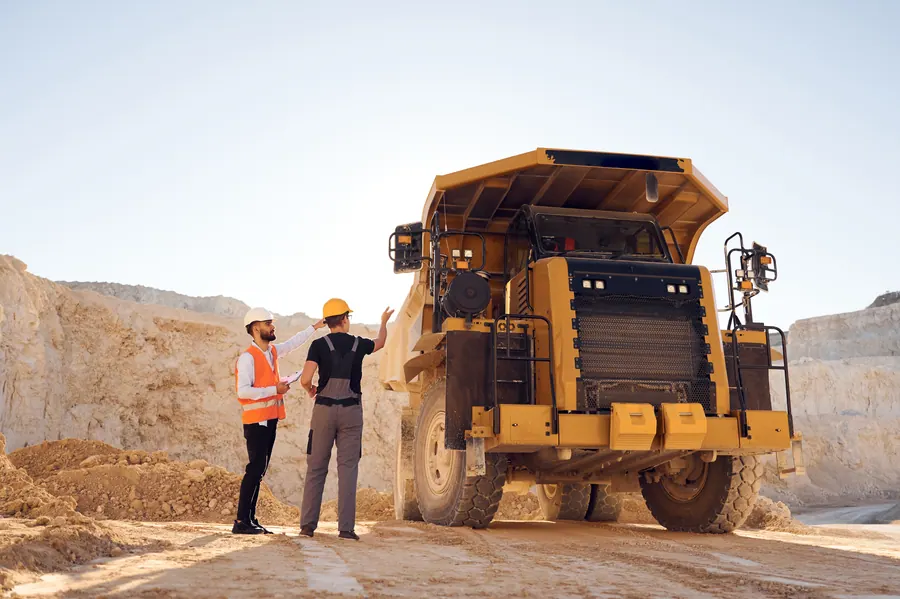
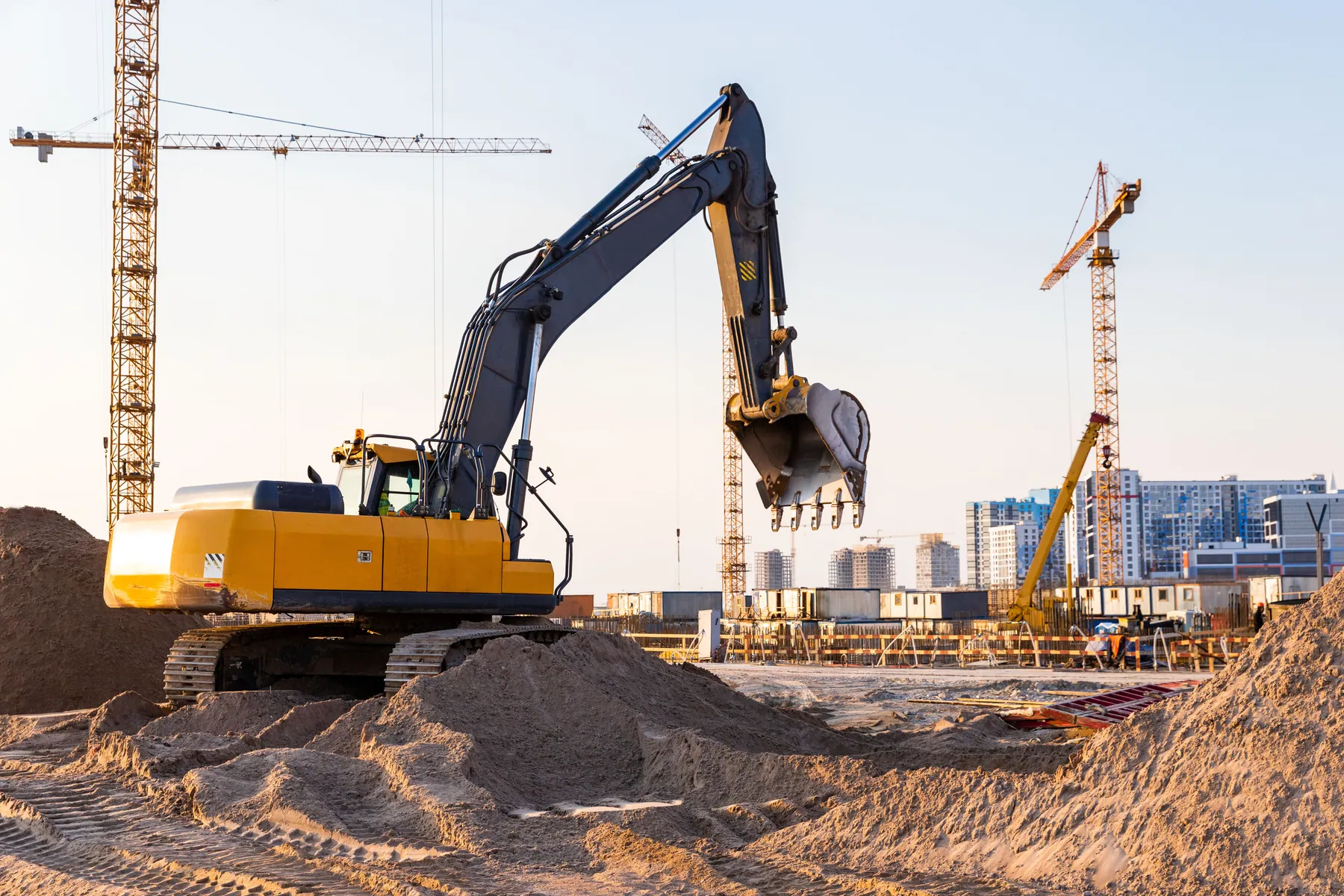
An equipment loan is a term loan for buying a particular piece of equipment: production machinery, trucks and trailers, construction plant, medical or technology systems. The lender takes a first lien on that equipment, recorded through a filing under the Uniform Commercial Code (UCC). Lenders like collateral they can identify, value and, if necessary, recover and resell, so many equipment financings cover most or all of the cost and are repaid over a term matched to how long the equipment will stay useful, often three to seven years.
The central choice is between borrowing and leasing. A loan builds ownership in the asset from the first payment. A lease, whether a finance lease aimed at ownership or an operating lease with a fair market value option at the end, can lower the payment, keep borrowing capacity available for other needs and leave the lessor with the risk of what the equipment is worth later. Either way the principle holds: spread what a long-lived asset costs over the years it earns, rather than paying cash on day one. Pricing reflects the equipment, its resale market, the term and the borrower’s credit, and can be fixed or floating.
We work out with you whether to borrow or lease, over what term and for how much, then take the request to equipment finance banks, manufacturers’ finance arms, independent leasing companies and specialist lenders across 2,588+ capital sources. Your own tax advisor should confirm any tax treatment, such as how depreciation is claimed.
When equipment finance makes sense.
Four situations come up most often.
New equipment
Spreading the price of machines, vehicles or systems across the years they are used, rather than paying in cash.
Replacing and upgrading
Renewing older equipment on a timetable that keeps payments in step with the gains in output.
Protecting working capital
Keeping cash and credit lines available for payroll, stock and growth.
Sale‑leaseback
Turning owned equipment into cash and leasing it back, so it never leaves service.
Pay for the asset as it earns, and keep cash for the business.
Equipment loans and leases spread the cost over the years the asset works. We compare the two against your cash flow and balance sheet, and find the lenders who know the equipment.
Is equipment finance the right tool?
If most of the first column describes your purchase, it is worth comparing the options.
Often a fit when
May not be the right path if
You are buying identifiable, long-lived equipment central to how the business runs.
What you need is day-to-day funding, not a particular machine: a revolving line or asset-based facility may fit better.
You would rather spread the cost over the asset’s life than pay it all at once.
The equipment is so specialized that there is little resale market, which lowers what lenders will advance.
The equipment holds its value well enough to support financing close to its cost.
You are financing a building or improvements to it rather than equipment.
You want to compare a loan and a lease against your cash flow and balance sheet.
You plan to replace the machine within a year or two, sooner than any sensible loan term.
What an equipment lender tests.
The asset carries much of the credit, but five questions decide the terms.
What it is, whether it is new or used, how essential it is to the business and how well it keeps its resale value.
The share of the price the lender will fund, and whether the repayment period suits how long the equipment will work.
Ownership and possible tax effects, against a lower payment, flexibility and who carries the value at the end of the term.
The business’s ability to make the payments, and its overall credit profile.
The vendor’s quote or invoice, and when the equipment will arrive and be installed.
The four common equipment structures.
Equipment finance comes in four main forms. The right one depends on whether you want to own the asset, how long you will use it and what you want on the balance sheet.
- 01Equipment term loanA fixed or floating loan secured on the asset, repaid in installments, building ownership as you pay.
- 02Finance leaseA lease built toward ownership, usually with a nominal purchase option when the term ends.
- 03Operating leaseA lower payment, with the option to buy at fair market value, renew or hand the equipment back; the lessor keeps the residual risk.
- 04Sale‑leasebackSelling equipment you own to a lessor and leasing it back, turning the asset into cash while you keep using it.
What an equipment lender will ask to see.
We can start with much less. The quote and the financial statements carry the most weight, and some items will not apply to your purchase.
0of 8 in hand
Select what you already have. You can start with none of it.
Nothing you select here is sent or stored.
The benchmarks equipment finance is priced against.
Floating equipment loans are usually set as a margin over SOFR or Prime, while fixed rates and lease payments generally reflect Treasury or swap yields of a similar term. The lender sets the margin for the equipment, the term and the credit. These are today’s reference rates, not quotes.
SOFR
3.92%The Secured Overnight Financing Rate: the benchmark most floating-rate commercial loans now price over, plus a spread the lender sets.
Prime
7.00%The rate banks quote to their strongest customers, conventionally the top of the federal funds target range plus three points. Many business lines float over it.
10-year Treasury
5.07%The yield on ten-year U.S. government debt. Fixed-rate permanent loans are usually priced as a spread over a Treasury of similar term.
Reference rates, not quotes. A borrower’s rate is a benchmark plus a spread set by the lender.
Compare financing with paying cash.
Enter the cost, a down payment, an illustrative rate and term, and what cash earns when it stays in the business. The model shows the monthly payment and how the two choices compare.
Monthly payment
–
- Amount financed
- –
- Total interest
- –
- Cash kept in the business at purchase
- –
- What the kept cash could earn
- –
- Earnings less interest
- –
Nothing you enter is stored or sent.
Three purchases, and where a process helps.
Situation
How an advisor‑led process helps
Illustrative path
New press lineA packaging manufacturer has won a contract that needs a second printing press, delivered in five months.
We compare a term loan with a finance lease for the press, matching the term to its working life and the payments to the new contract.
Lenders are asked to finance most of the press’s cost, so working capital stays with the contract, subject to underwriting.
Fleet renewalA regional trucking company is replacing a third of its tractors and weighing ownership against lower monthly payments.
We model a loan and an operating lease together, showing the effect of each on cash flow and the balance sheet.
The company chooses the structure that fits and confirms any tax effects with its own advisor.
Imaging equipmentA group of outpatient clinics owns its scanners outright and wants cash to open a new location.
We arrange a sale-leaseback that turns the scanners into cash while they stay in service.
The clinics raise cash for the new site without losing their scanners, subject to valuation and the lessor’s review.
Illustrative situations only: not actual transactions or outcomes. Every financing remains subject to lender underwriting and approval.
From the vendor’s quote to delivery.
Three stages, and the first costs you nothing.
- 01
Tell us about the equipment
What you are buying, the cost, the vendor and when it arrives. No cost and no credit pull to start.
- 02
An honest assessment
An advisor compares loan and lease from your side and tells you plainly what lenders are likely to offer for this asset.
- 03
To lenders, and on to closing
We prepare the request, put equipment lenders and lessors in competition and negotiate through to funding.
Where business owners often look next.
Working capital loans
Lines and short-term loans that fund day-to-day operations.
Explore working capital loans
Manufacturing
Financing for plants, production lines and the companies that run them.
Explore manufacturingQuestions owners ask about equipment loans.
If yours isn’t here, ask us directly. A first conversation costs nothing.
Speak with an advisorOften most or all of it. How much turns on how easily the equipment could be resold and on the strength of the business. The asset secures the loan, and repayment usually runs three to seven years, in step with how long the equipment will work. Used or highly specialized equipment usually attracts a lower advance.
It depends on what you want. A loan builds ownership from the first payment. A lease can lower the payment, keep borrowing capacity available and leave the end-of-term value with the lessor; when it ends you can usually buy the equipment, extend the lease or hand it back. We set the two out side by side. Your own tax advisor should confirm the tax effects of each.
A leasing company buys equipment you own and rents it straight back to you. The business receives cash for the asset and keeps using it, paying rent instead of having the value tied up.
So that cash and credit lines stay available for running and growing the business, and so that a long-lived machine is paid for over the years it produces. The model on this page compares the monthly payment with what that cash could earn if it stays in the business.
Yes, often. Lenders look at age, condition, hours or mileage and the depth of the resale market, and may want an appraisal. The advance and the term are usually shorter than for new equipment.
No. We advise and arrange; lenders and lessors underwrite, set terms and fund. We shape the loan or lease request and run the process among suitable equipment lenders on your behalf.
A success fee, earned only when your financing closes. No retainer and no upfront fee. Costs a lender requires (appraisals, reports, legal) are paid to those providers directly.
A network built around the borrower.
Every equipment request goes to lenders chosen for that asset and that industry, from a network that spans equipment finance banks, manufacturers’ finance arms, independent lessors and specialist lenders.
$353M+Financing arranged
2,588+Capital sources in our network
217+Borrowers advised
45States served
Tell us about the equipment.
Marlmont Capital advises borrowers on commercial debt, and only borrowers. Before anything goes to a lender, we learn the transaction, define the capital it needs and choose the debt route that fits.
Your first conversation
Send a few details and an advisor will arrange a call of about 30 minutes. No cost and no credit pull to start.
Marlmont Capital is a debt advisory firm. It advises borrowers and arranges financing from third-party lenders; it is not a lender and does not offer securities or investment, tax or legal advice. Financing is subject to lender underwriting, diligence and approval, and terms are set by the lender. Figures and examples on this page are illustrative and are not a quote, offer or commitment.